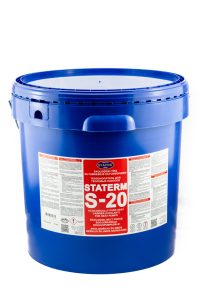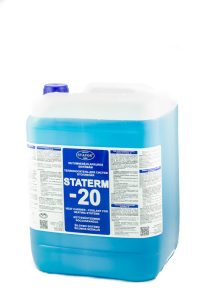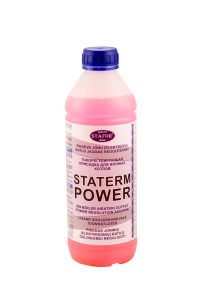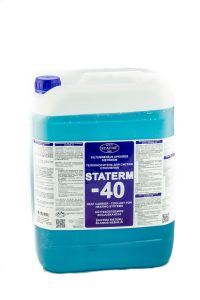



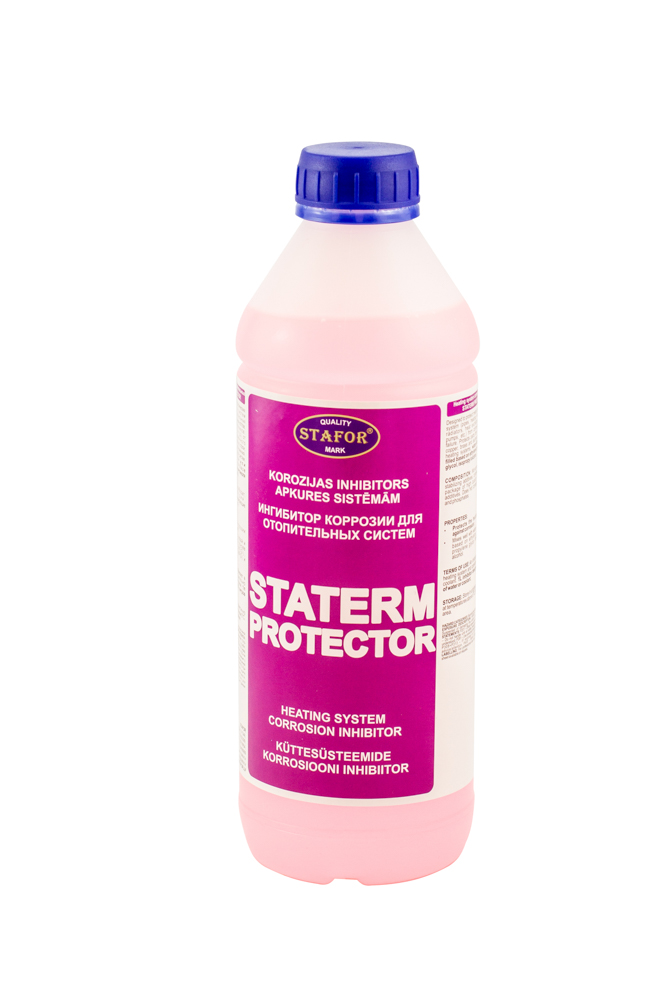
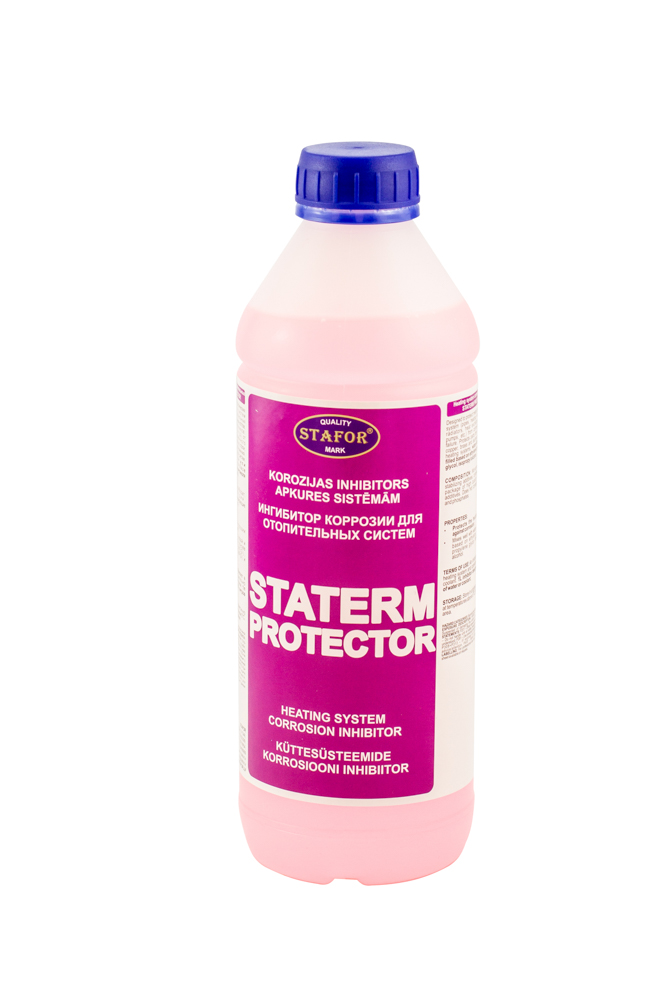
STATERM PROTECTOR corrosion inhibitor for heating systems
One of the main causes of premature wear and tear of heating systems is corrosion of their components. Given the high cost of heating equipment and the expense of repairing the system, protecting it from corrosion is very important. There are two ways to solve this problem.
The first is to use a special heat transfer fluid containing anti-corrosion additives to fill the system. Using such a heat transfer fluid extends the service life of the heating system several times over. In addition, they protect the heating system from freezing, since most heat transfer fluids have a freezing point below -20°C. As the harsh winter of 2009/2010 showed, this feature is not superfluous.
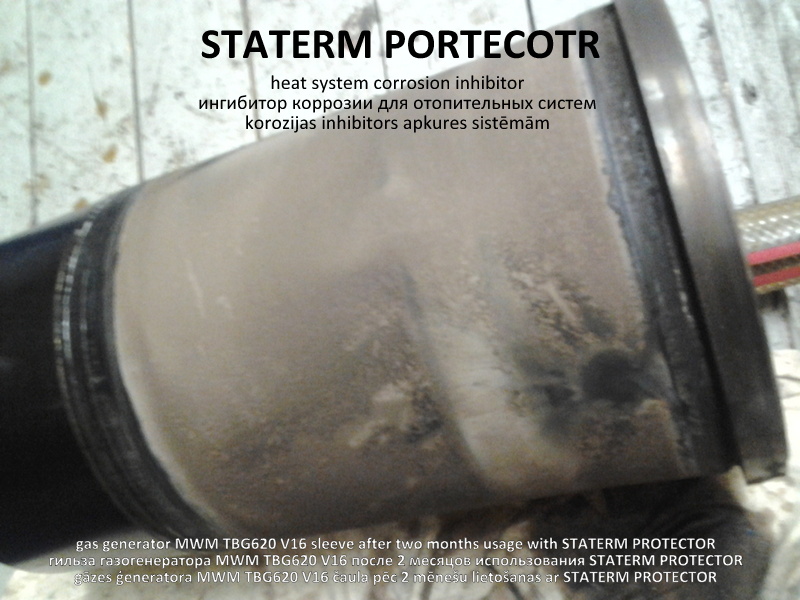
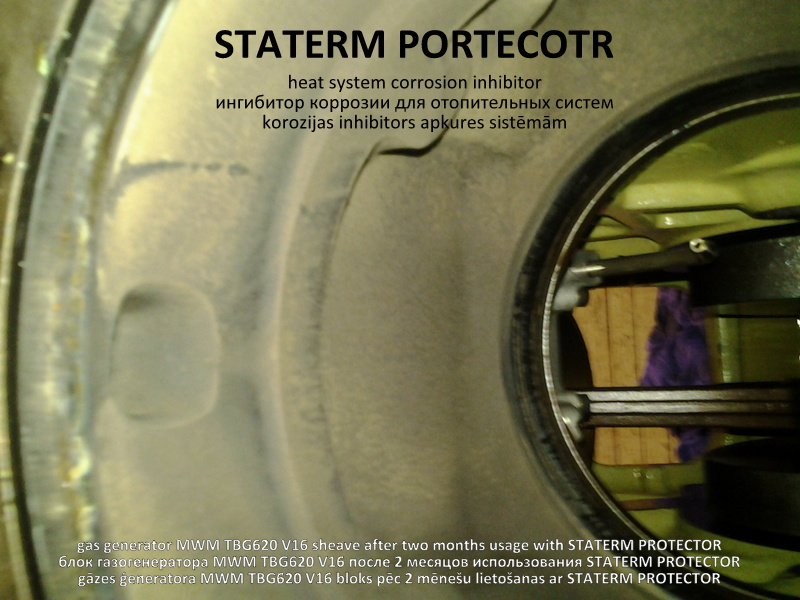
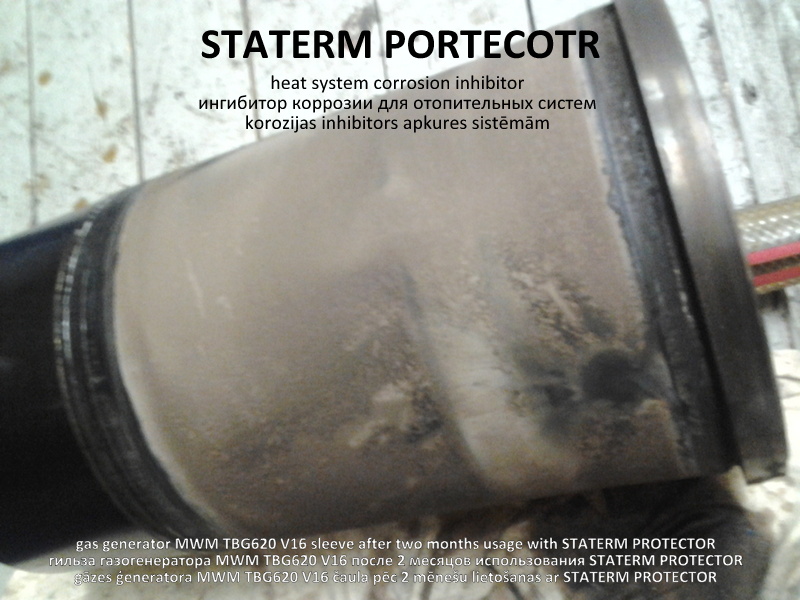
If the heating system is very large, requires regular refilling, or for some other reason it is impossible to fill the heating system with heat transfer fluid, there is another way – to use special corrosion inhibitors. They are used as an additive to water or other heat transfer fluids that do not contain anti-corrosion additives. When choosing a corrosion inhibitor, it is important to consider that different metals are used in the heating system. It is recommended that the selected corrosion inhibitor be suitable for use with all metals used in the heating system or show good results when working with the metal used in most of the system. An example of a universal corrosion inhibitor is STATERM PROTECTOR, which protects heating systems made of steel, cast iron, copper, brass and duralumin. When the inhibitor concentration is chosen correctly, it almost completely stops corrosion of steel and significantly slows down this process for other metals. Considering that most of the heating elements used on a large scale are steel radiators, the advantages of using a corrosion inhibitor are obvious.
Designed to protect metal parts of heating systems (pipes, heating elements, boilers, radiators, heat exchangers, circulation pumps, etc.) from corrosion and premature wear. Protects system components made of steel, cast iron, copper, brass and duralumin. Designed for heating systems that use water or heat transfer fluids based on ethylene glycol, propylene glycol or isopropanol (alcohol).
COMPOSITION: Sodium glyceroboric acid, disodium tetraborate, monopropylene glycol, stabilising additives, complex compounds.
PROPERTIES:
- Protects heating equipment from corrosion;
- Mixes well with water and heat transfer fluids based on ethylene glycol (MEG), propylene glycol (MPG), isopropanol (alcohol).
APPLICATION: The inhibitor is added to the heating system, thoroughly mixed with the heat transfer fluid. 1 litre of inhibitor is designed for 65 litres of heat transfer fluid.
STORAGE: Store in a tightly closed container at a temperature above 5°C in a dry, well-ventilated area.
Hazard categories: Repr.tox.1B
Signal word: Danger
Contains: Disodium tetraborate
Product exposure characteristics: H360FD- May impair fertility. Suspected of damaging the unborn child.
Safety requirements: P201-Obtain special instructions before use.
P202-Do not use until all labels have been read and understood.
P281-Use personal protective equipment as required.
P308+P313 – If swallowed or in contact with skin: seek medical advice.
P405 – Store locked up.
Additional labelling: For professional use only.
EUH210 – Safety data sheet available on request.