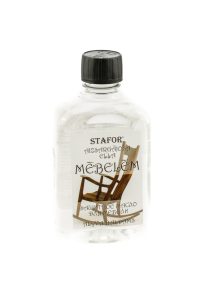



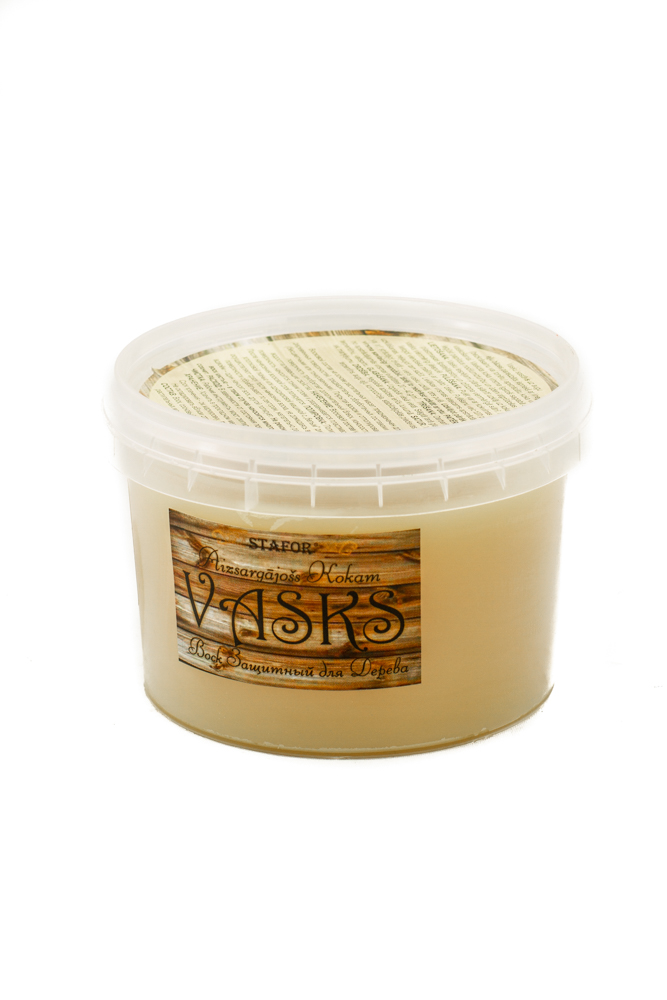
Protective WAX for wood
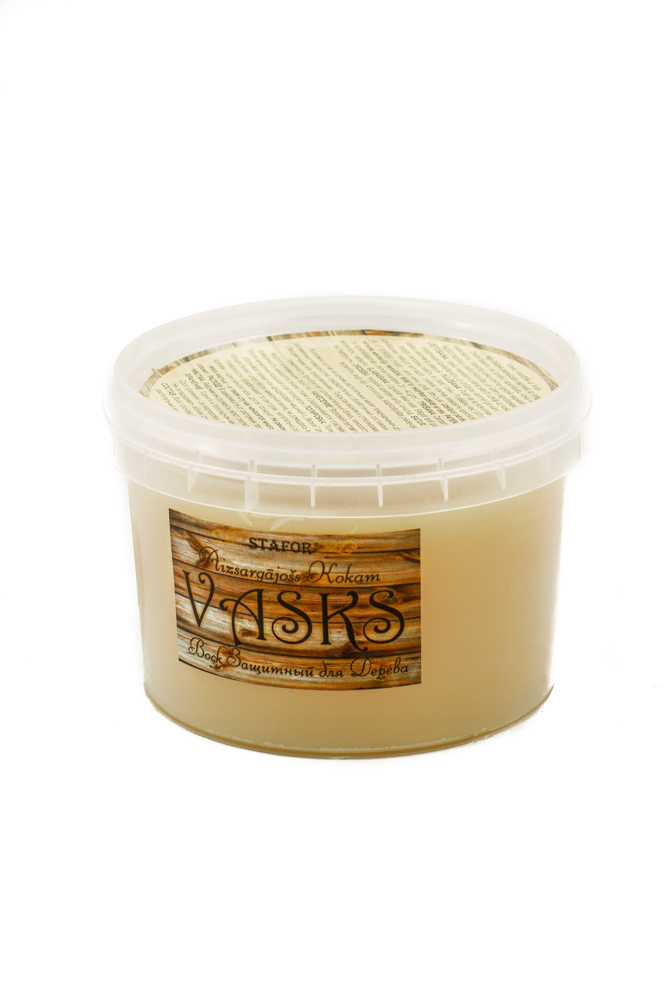
Natural protective wax for wood, which contains linseed oil specially prepared for working with wood, rosin (pine resin), beeswax and other high-quality waxes, has a pleasant honey aroma.
Natural protective wax for wood, which contains linseed oil specially prepared for working with wood, rosin (pine resin), beeswax and other high-quality waxes, has a pleasant honey aroma.
The wax is designed for treating untreated or pre-treated with linseed oil (colourless or tinted) wooden surfaces – floors, furniture, parquet and other wooden products. It can also be used for waxing cork, linoleum, laminate, polyvinyl chloride and stone surfaces.
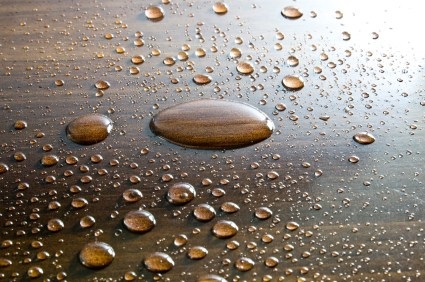
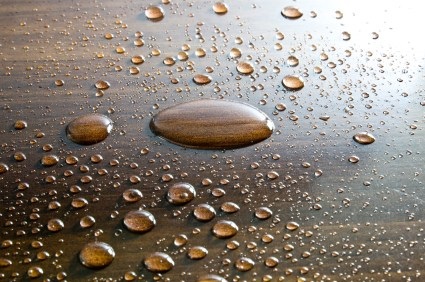
A waxed wooden surface retains its velvety shine for a long time, acquires additional wear resistance and water-repellent properties. The wax prolongs the life of the wood and fills in scratches. Freshly waxed surfaces have a light honey aroma.
Natural wax for wooden surfaces is used in restoration. It is particularly suitable for waxing pre-oiled floors. It will give the floors antistatic properties, shine and protect them from moisture and stains.
Application: Apply a thin layer of wax to the wooden surface using a plastic spatula and spread it evenly. Then rub the wax in evenly.
Polishing: Polishing can be done with a cotton cloth or with a single-disc machine with a “white” disc. Polishing should be done immediately after applying the wax, without allowing it to dry. It is recommended to treat large surfaces in sections or work in pairs — one person applies the wax, the other polishes. If too much wax is applied, the surface will not dry in time, so it should not be applied with a brush.
To restore the lacquer coating, it must be removed and reapplied over the entire surface.
To renew the wax coating, only the damaged area needs to be treated.
Consumption: depending on the quality of the surface being treated, 20–40 g/m².
Cleaning: Wash tools with turpentine or alcohol.
Storage: Store in a cool place. See the label for the shelf life in a closed container.
Safety: do not store near heating appliances.
Composition: wax, pine turpentine, vegetable oil, stabilising additives.
Advantages of wax tree
- Natural product containing beeswax.
- Protects against moisture and dirt.
- Provides antistatic properties to the surface (does not attract dust).
- Gives a light velvety shine.
- The waxed surface is easy to clean.
- The coating can be easily renewed, including locally.
- Increases the mechanical wear resistance of wood.
- Does not form a film on the wood and therefore does not break down.
- Waxed wood breathes.
- Has a pleasant honey aroma.
Hazard categories: Skin sens. 1
Resp. sens. 1
Aquatic Chronic 3
Signal word: Danger
Contains: Turpentine
Product exposure characteristics: H317- May cause an allergic skin reaction.
H334- May cause allergy or asthma symptoms or breathing difficulties if inhaled.
H412- Harmful to aquatic life with long lasting effects.
Safety requirements: P261 – Avoid breathing vapours, fumes.
P272 – Do not take contaminated work clothes outside the work area.
P273 – Avoid release to the environment.
P280- Wear protective gloves, protective clothing, eye protection, face protection.
P284- In case of insufficient ventilation, use respiratory protection.
Additional labelling: P102- Keep out of reach of children.