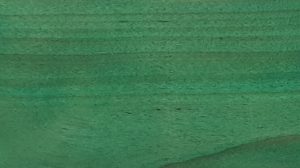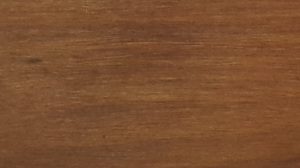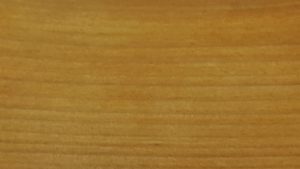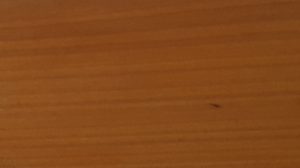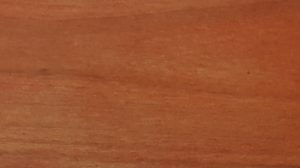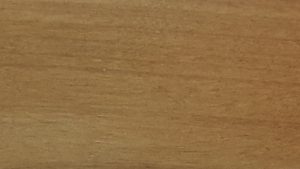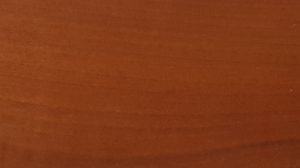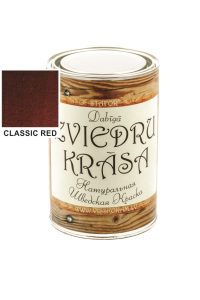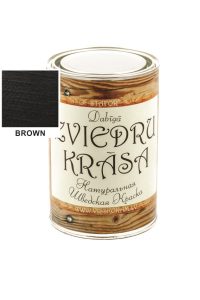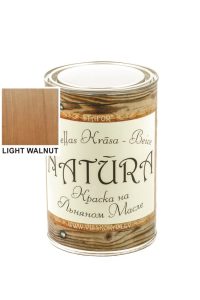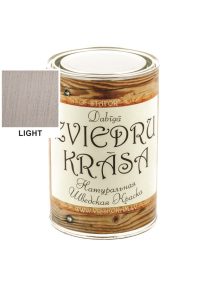



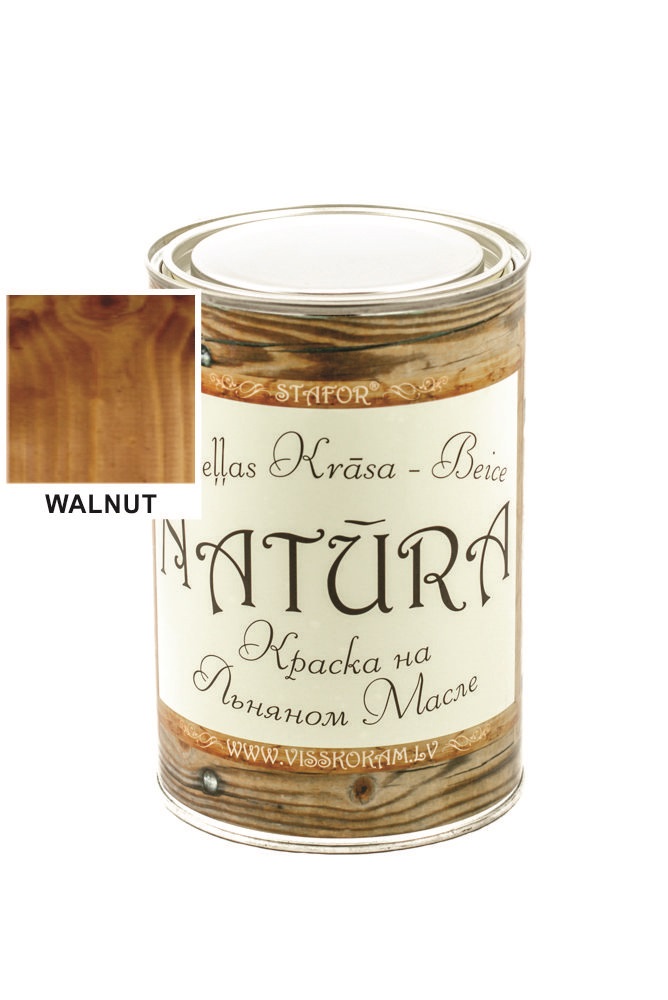
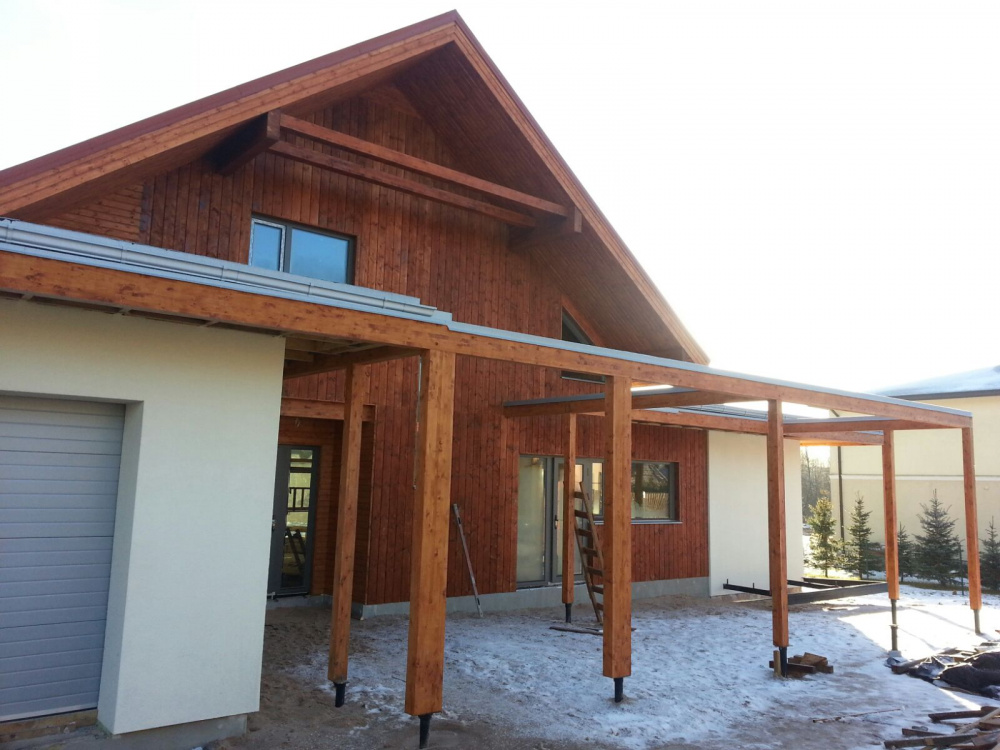
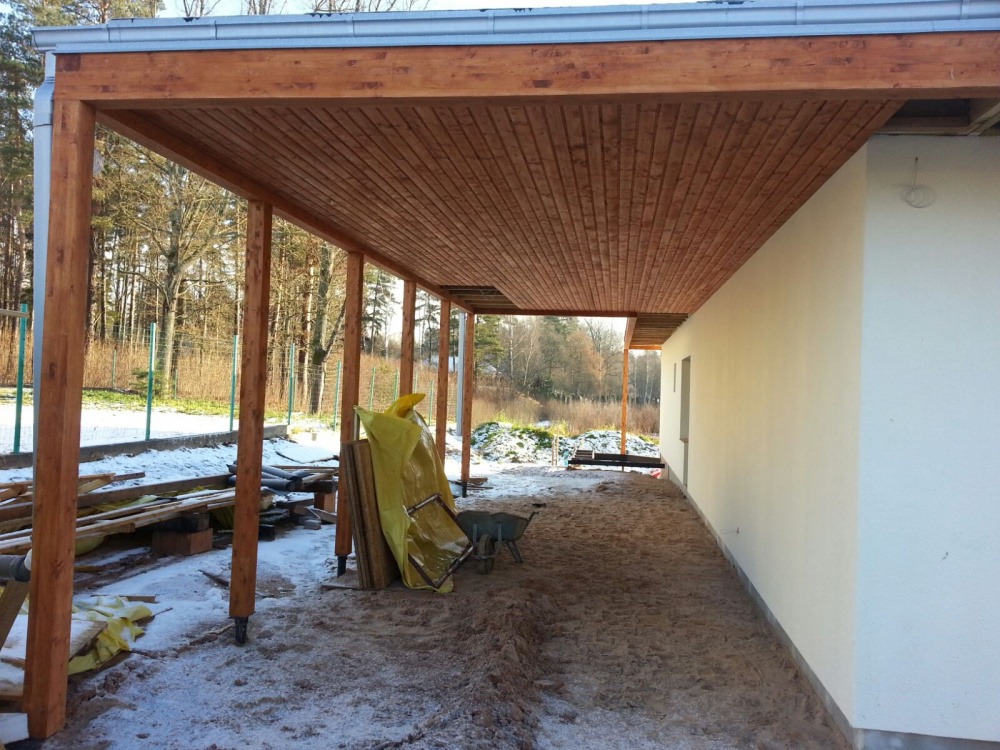
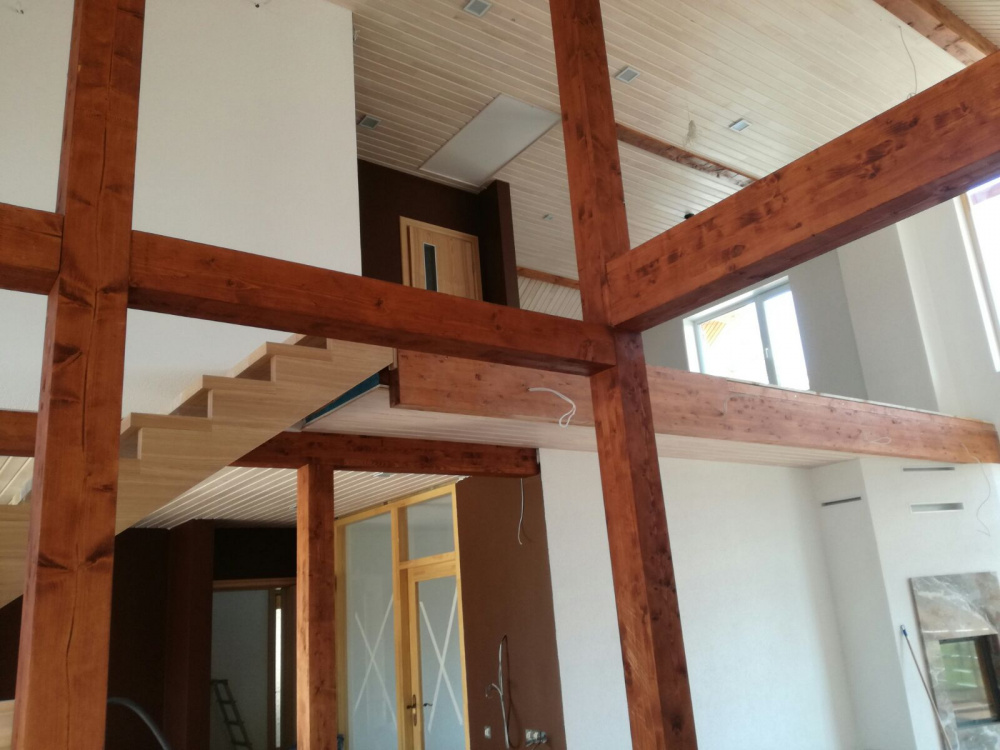
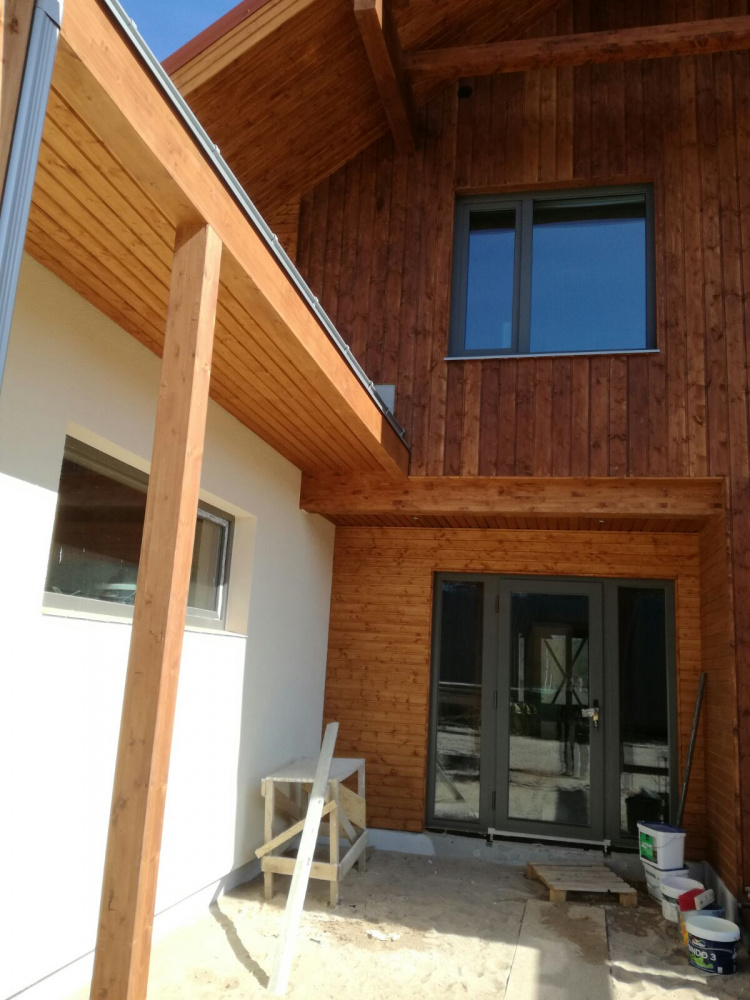
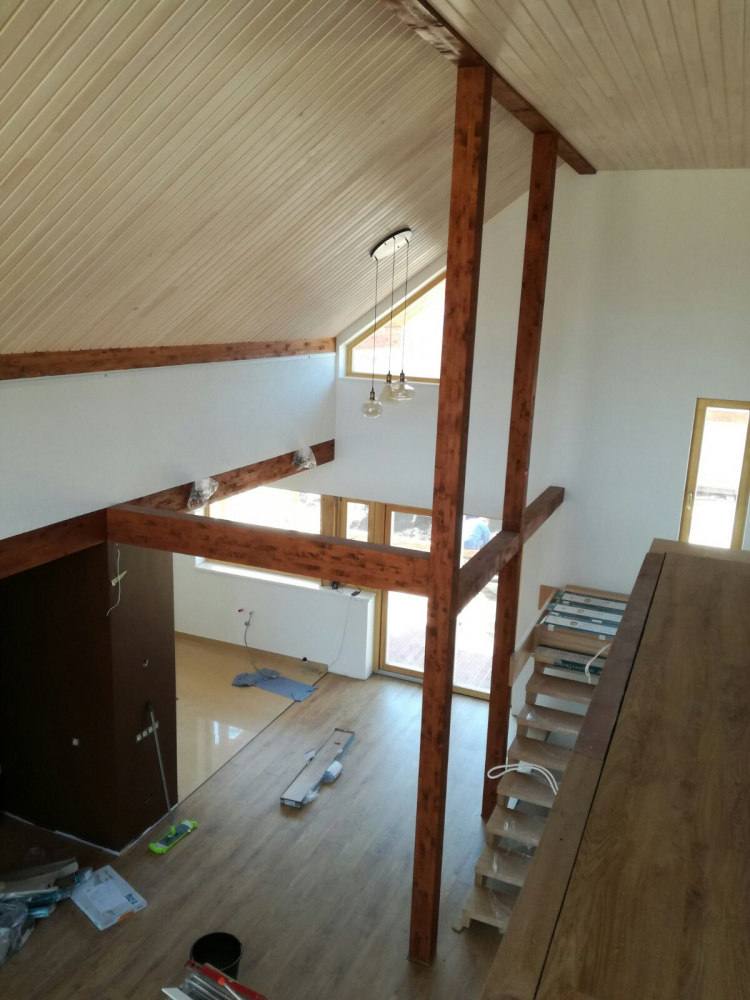
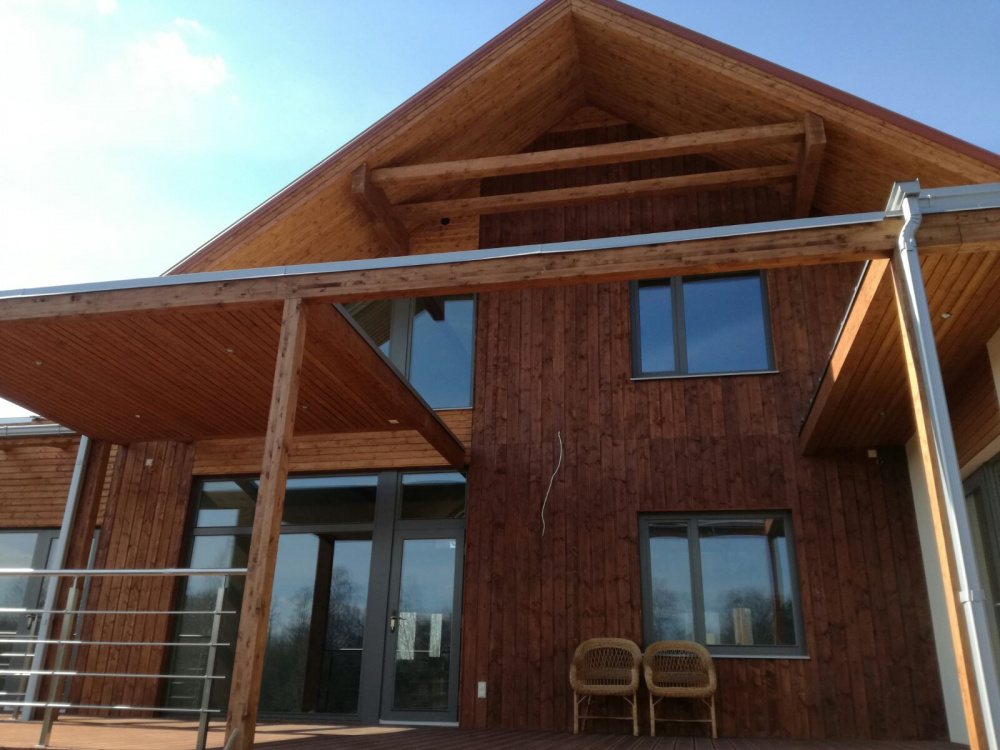
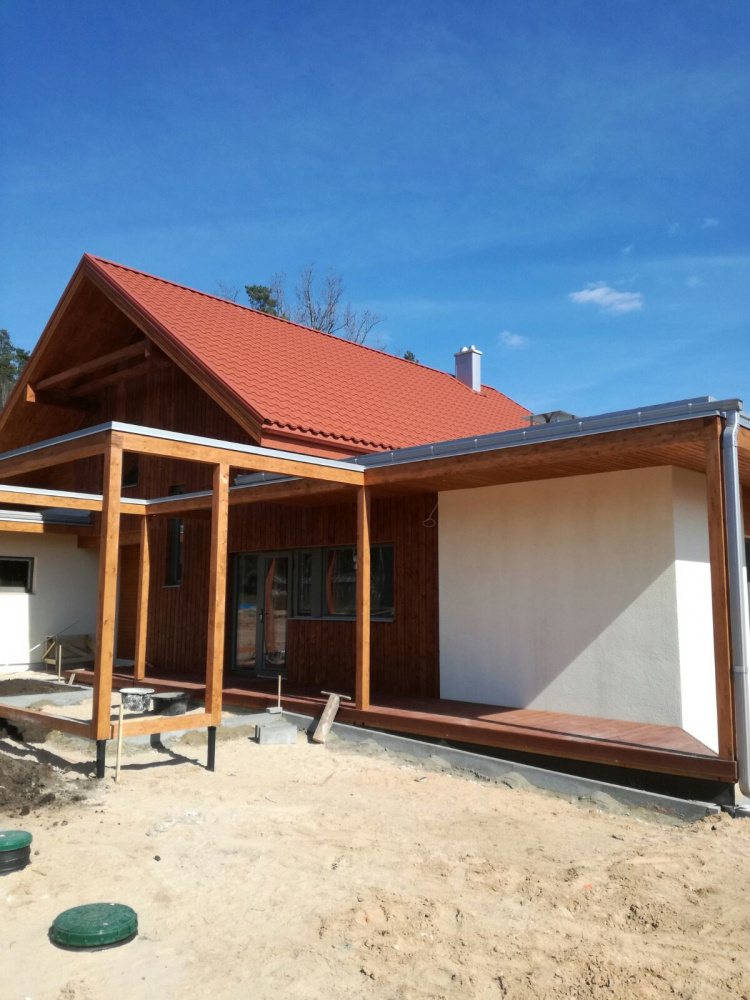
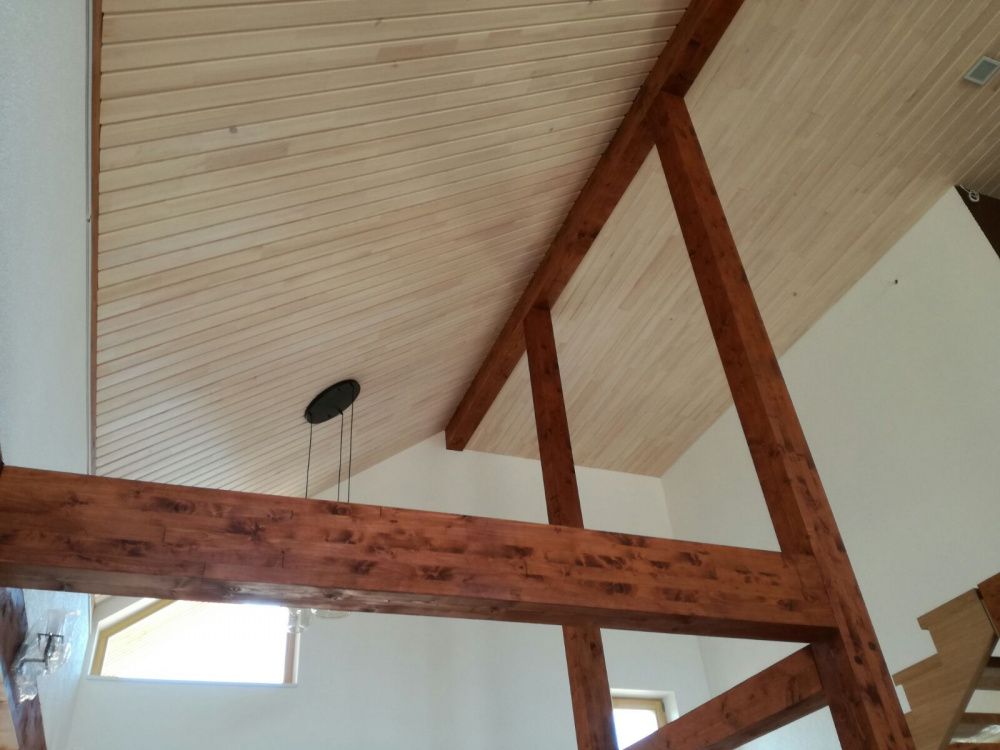
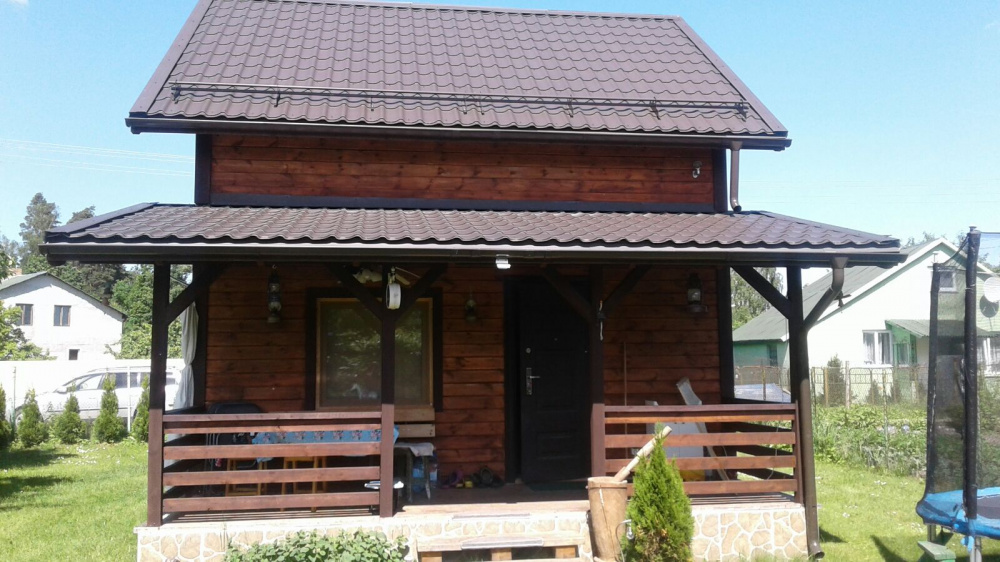
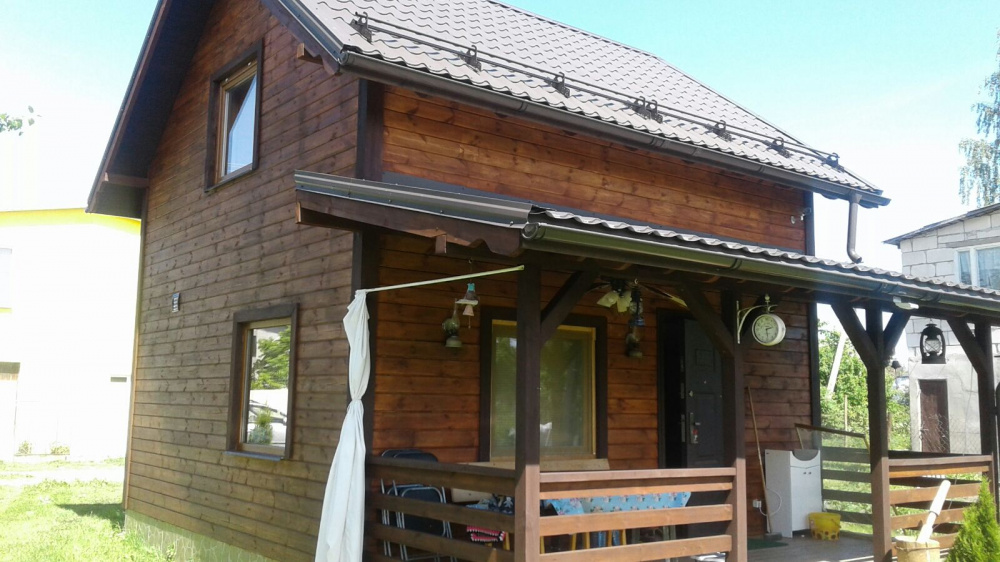
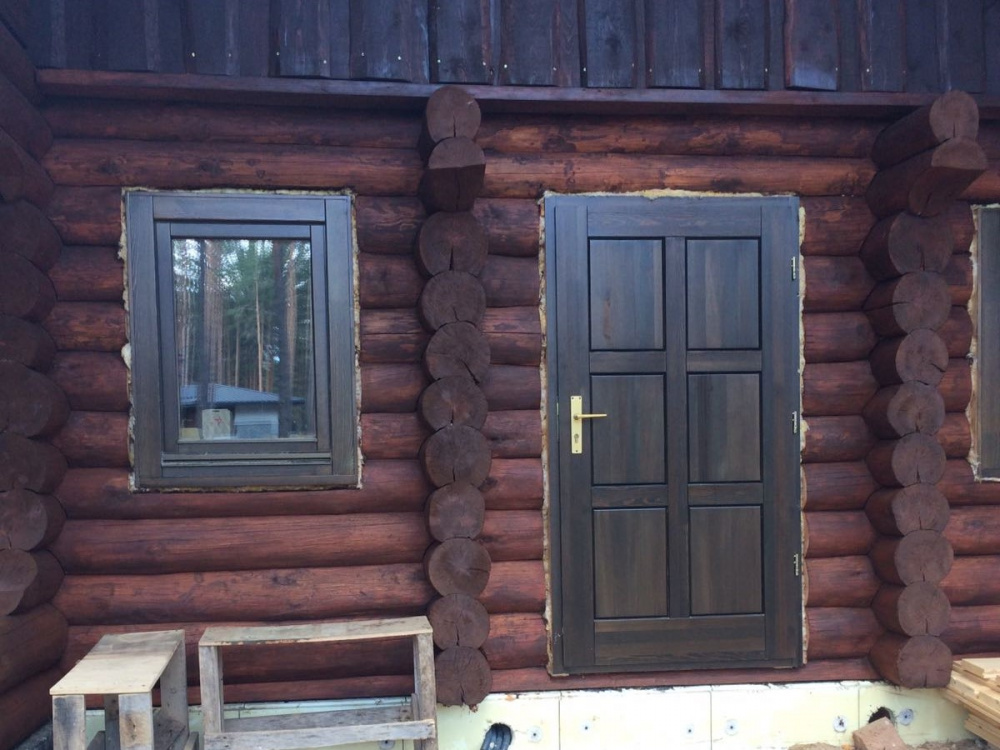
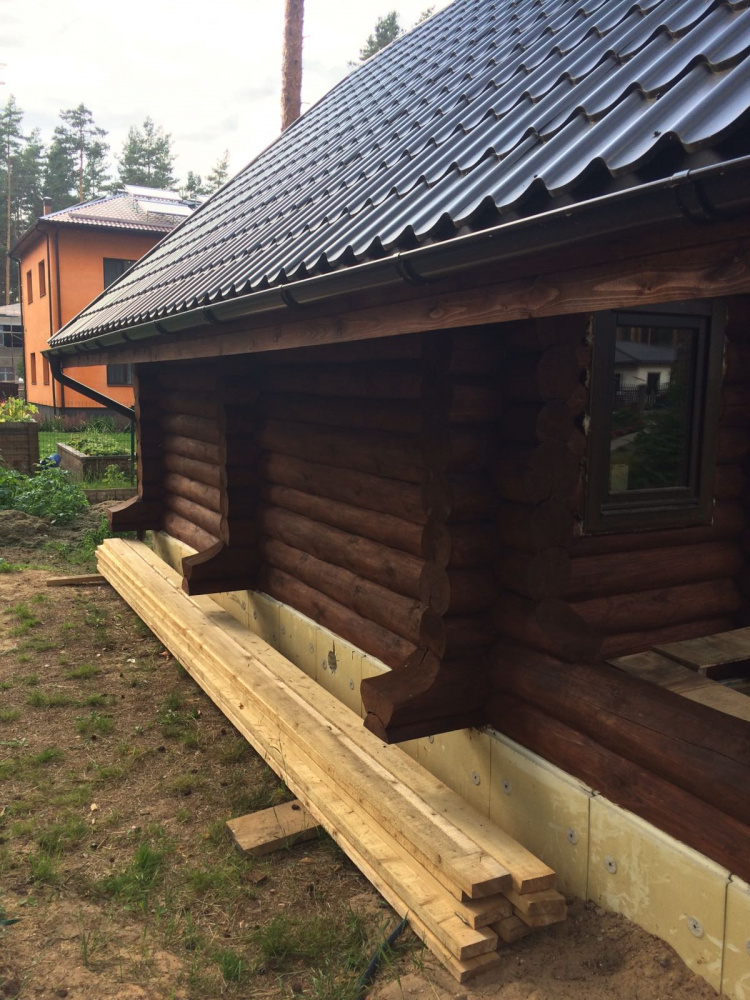
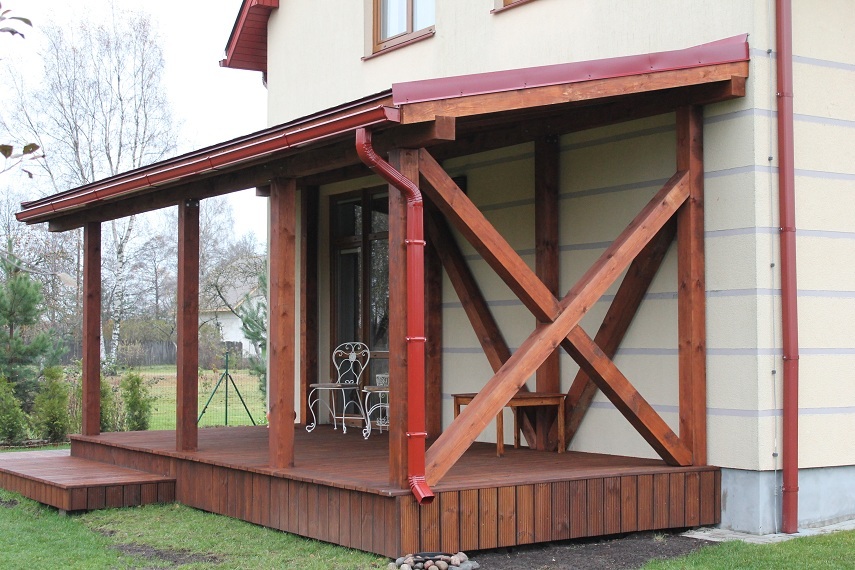
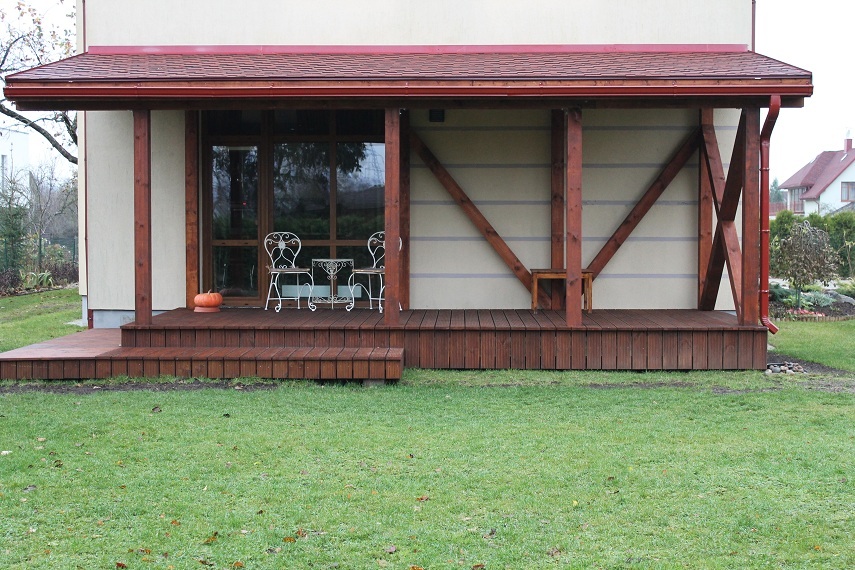
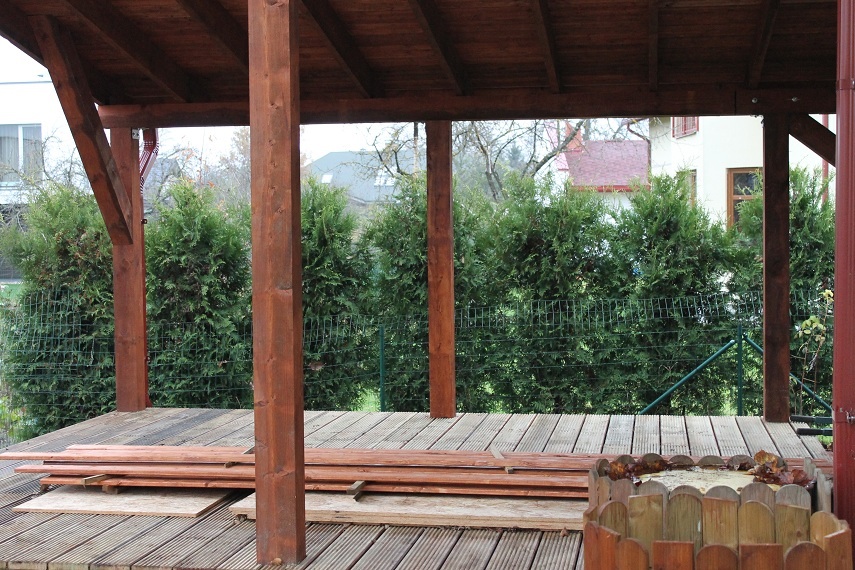
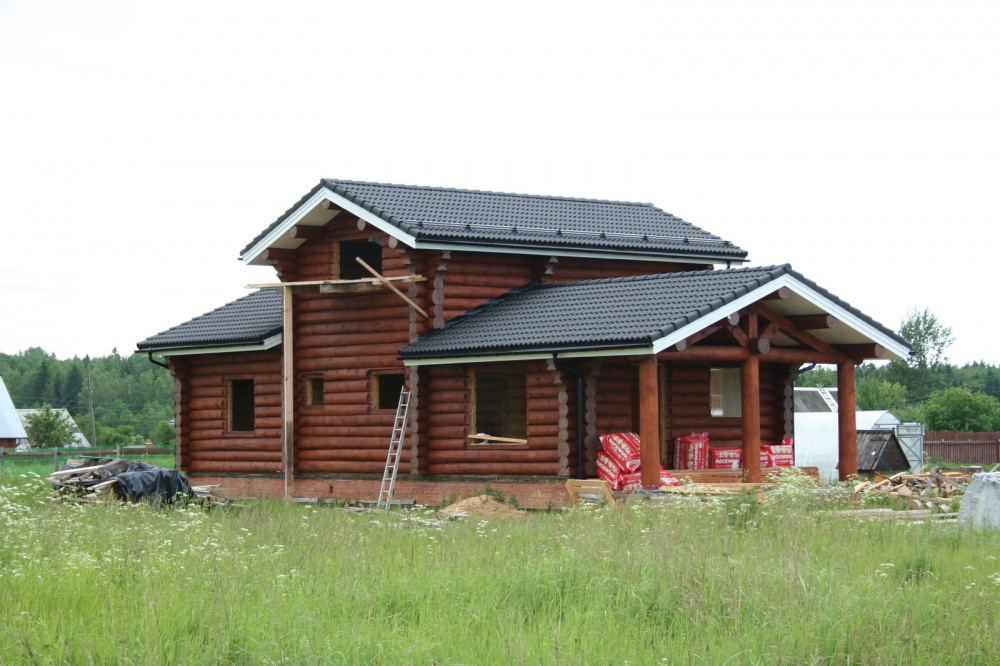
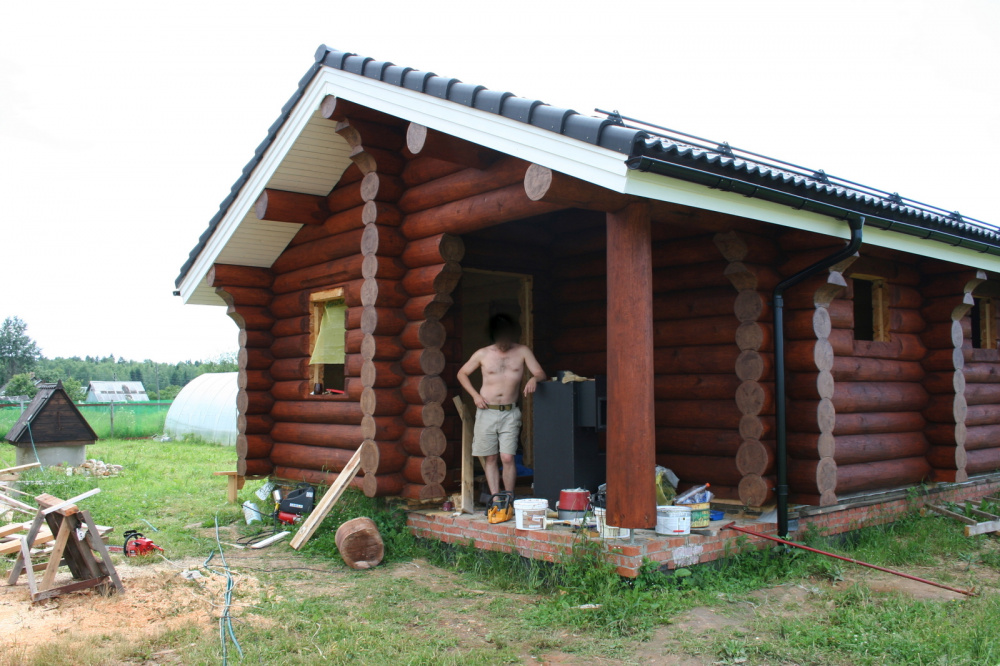
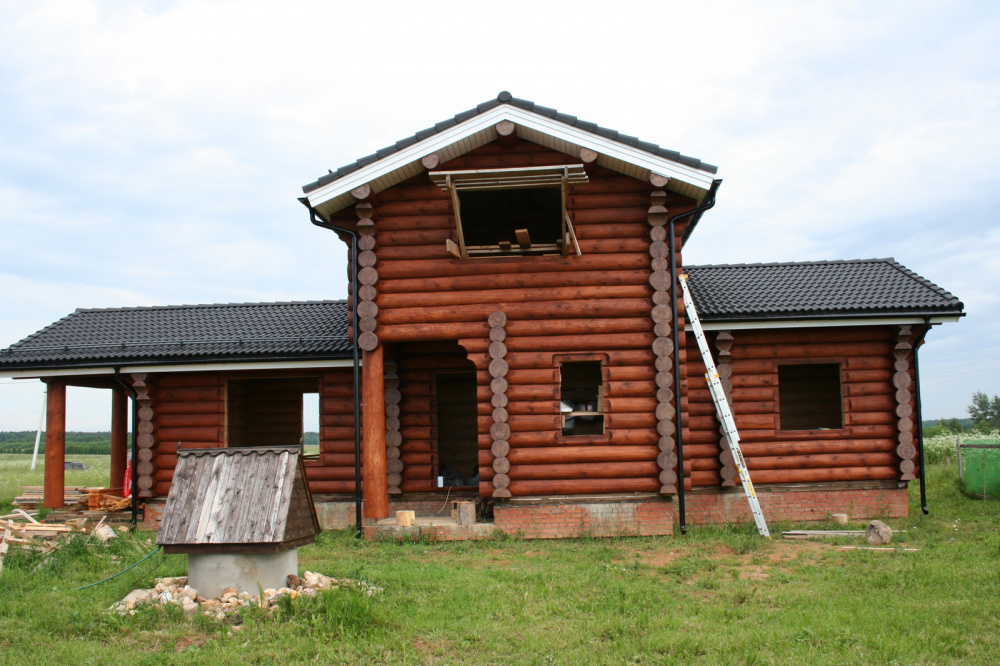
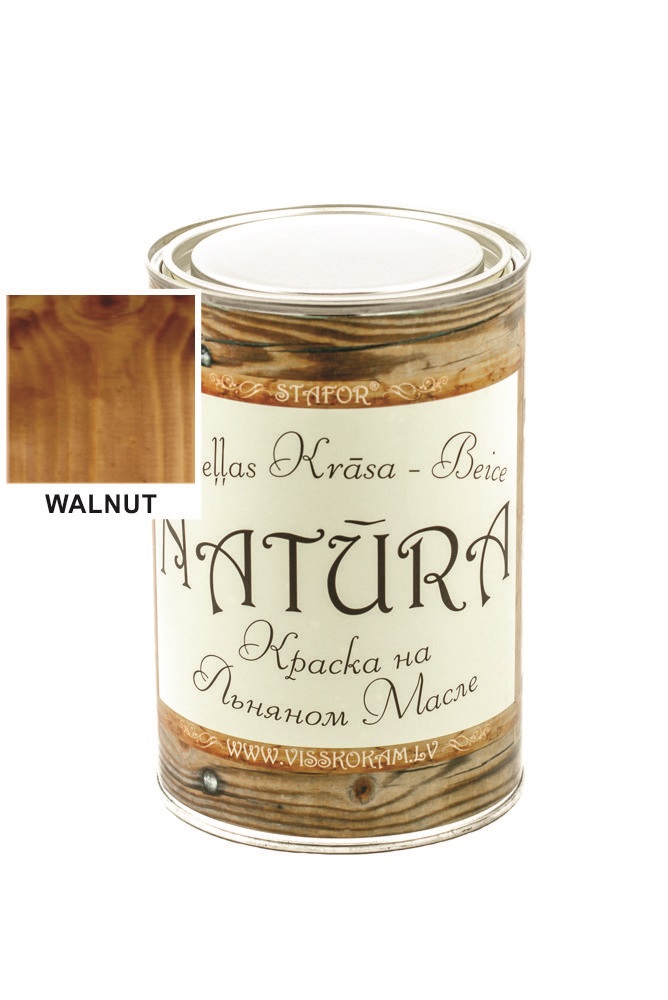
Linseed oil paint NATURA walnut
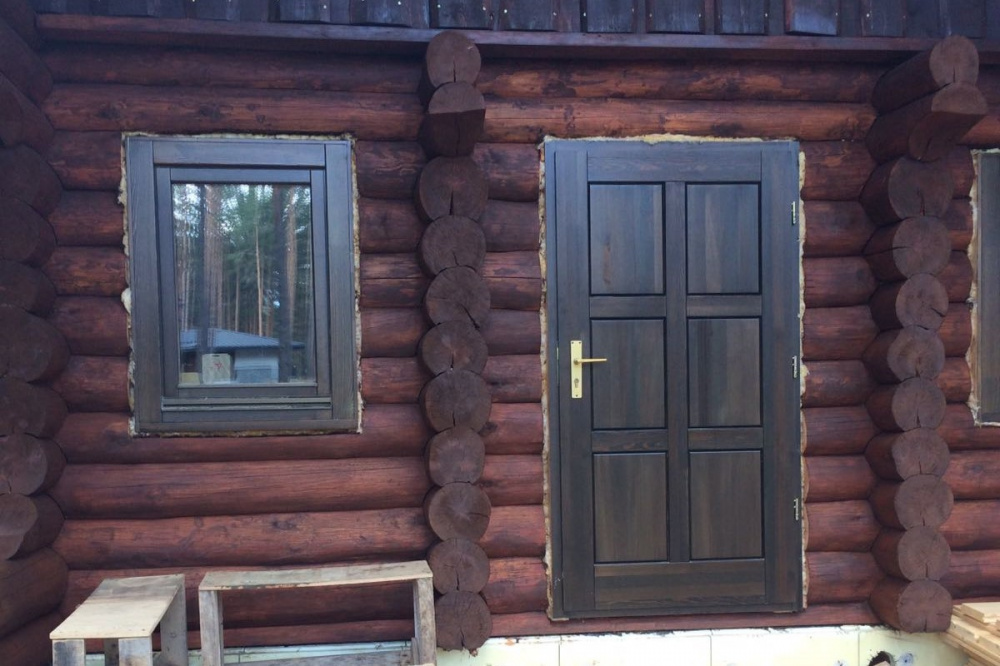
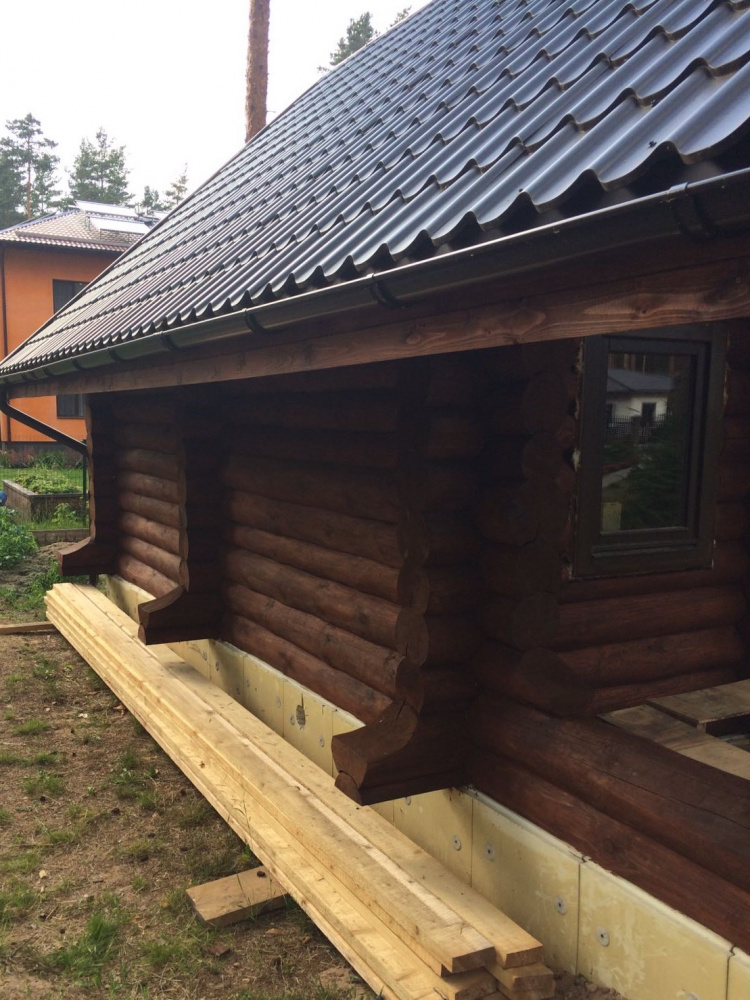
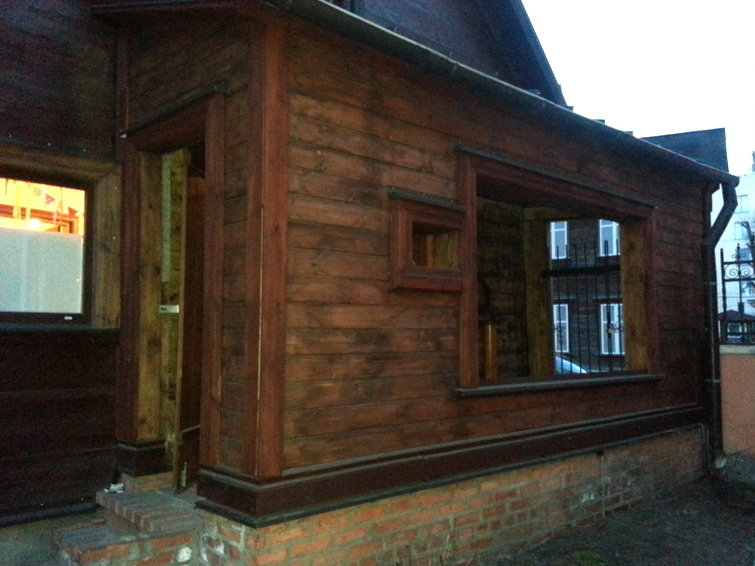
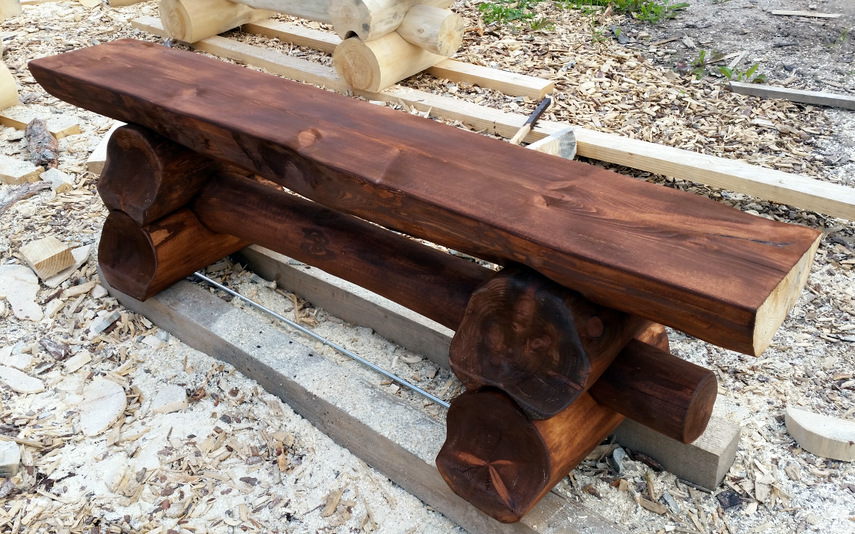
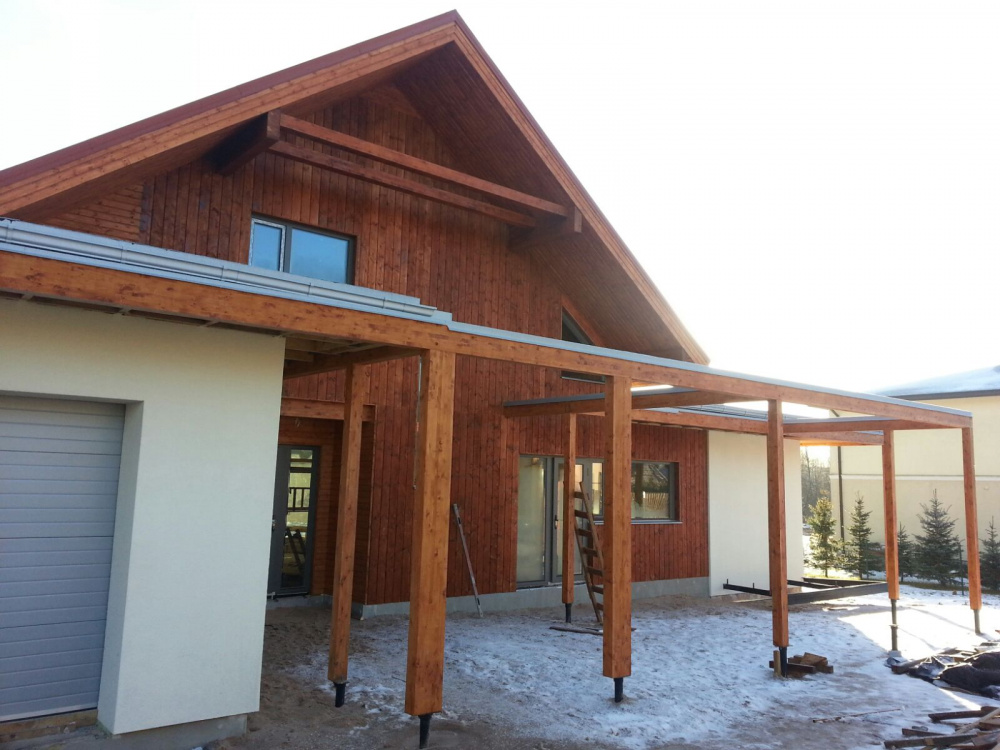
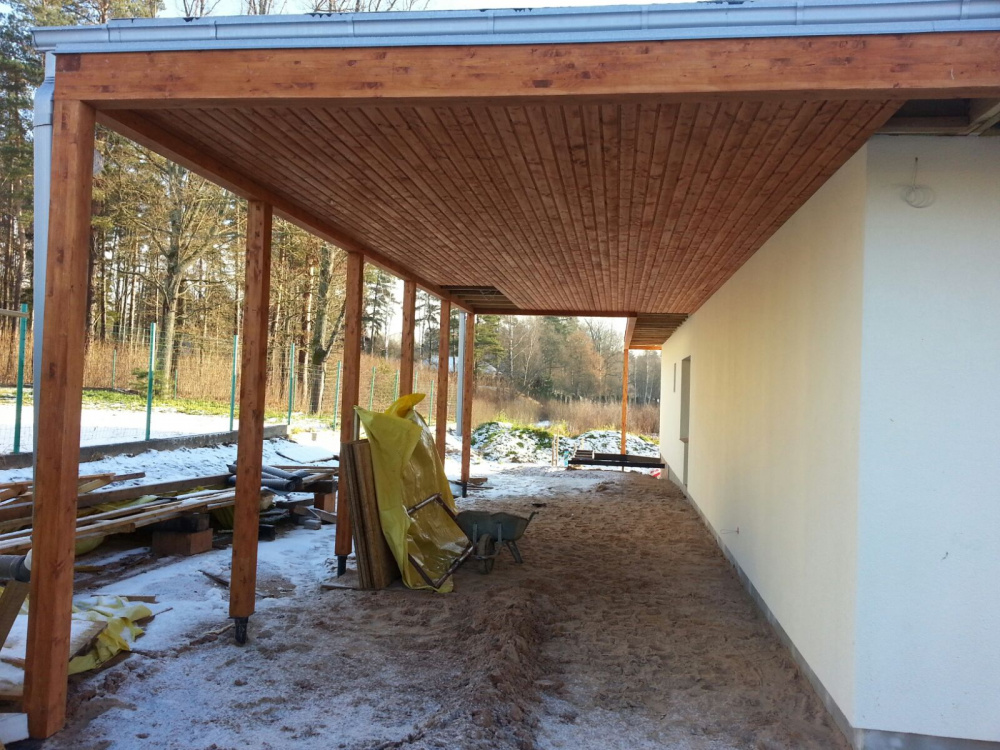
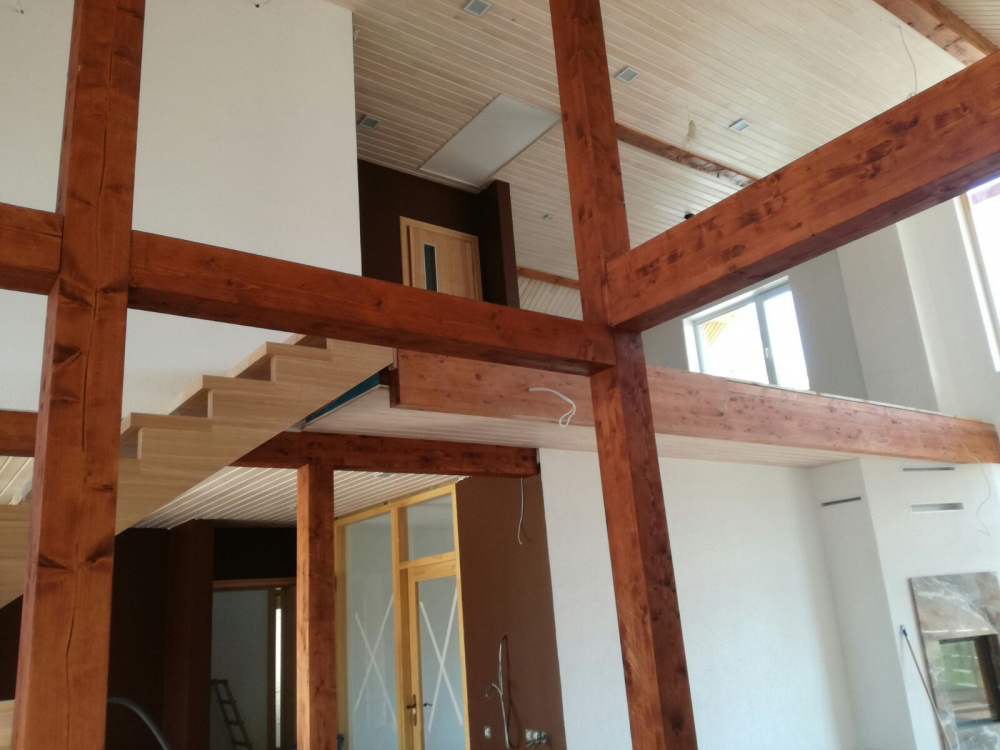
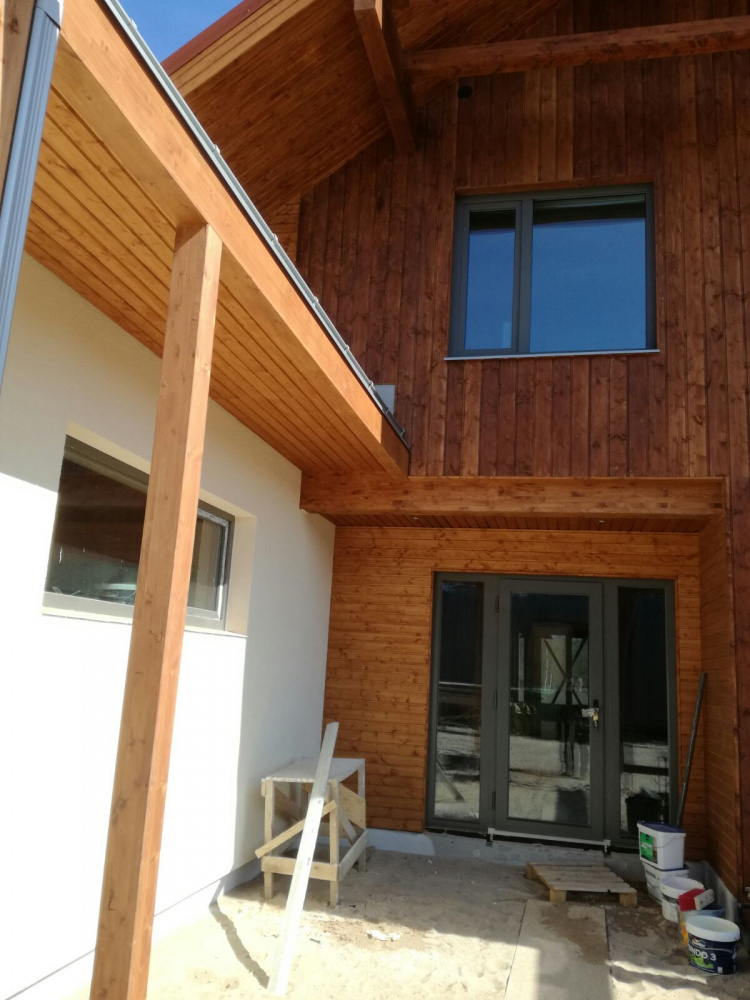
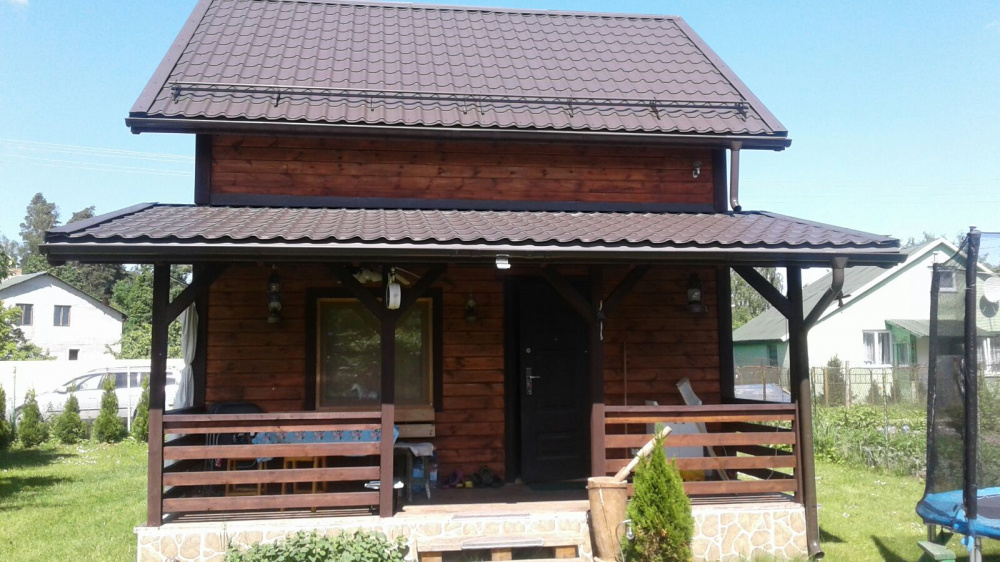
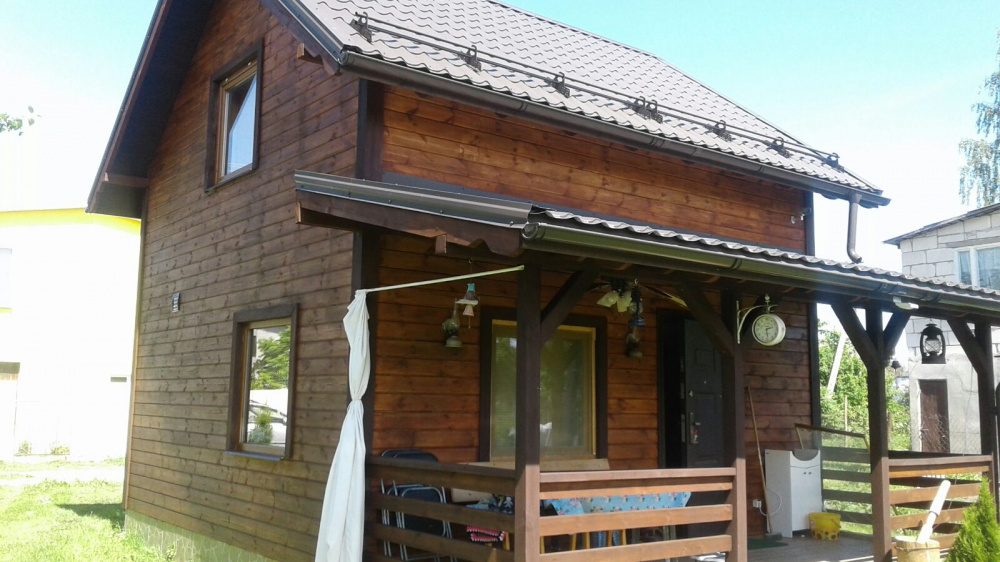
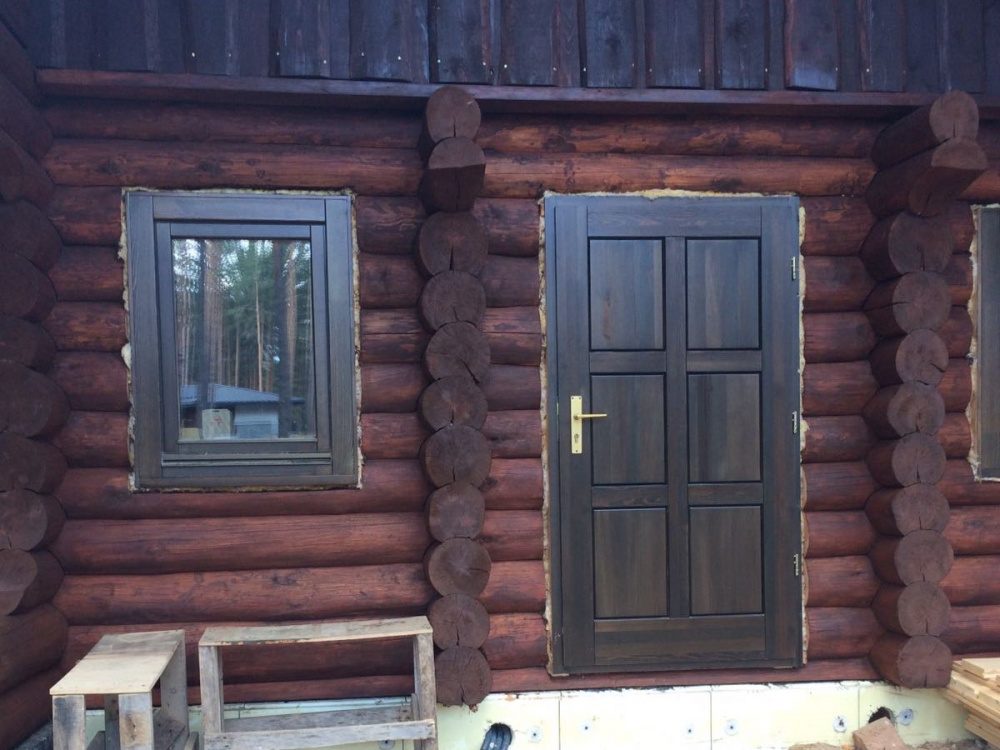
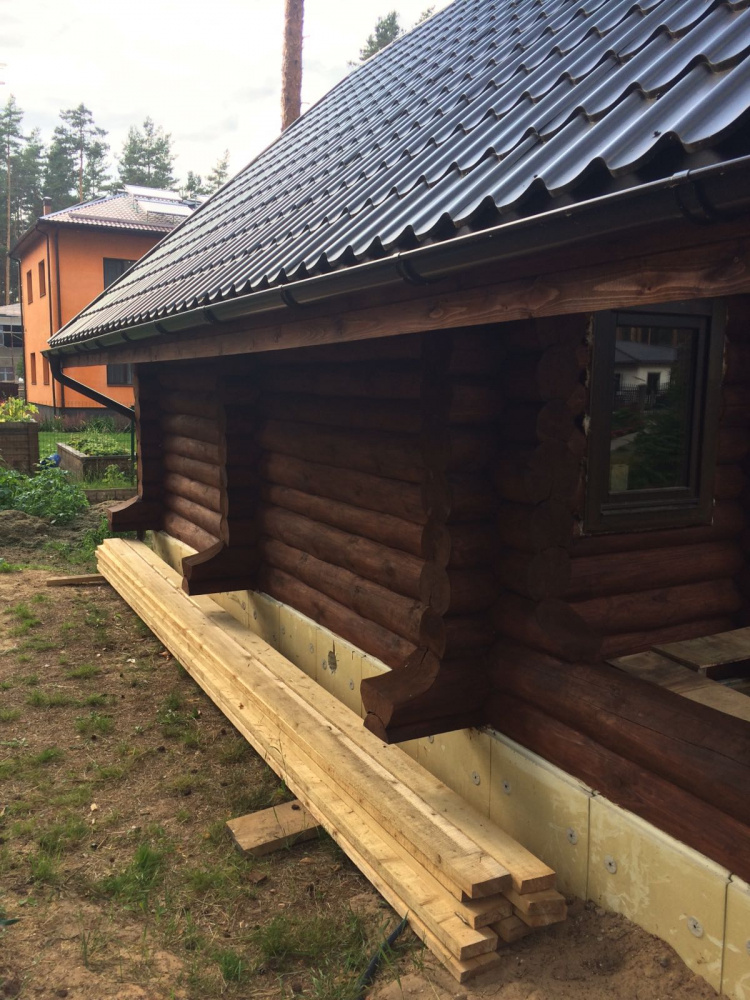
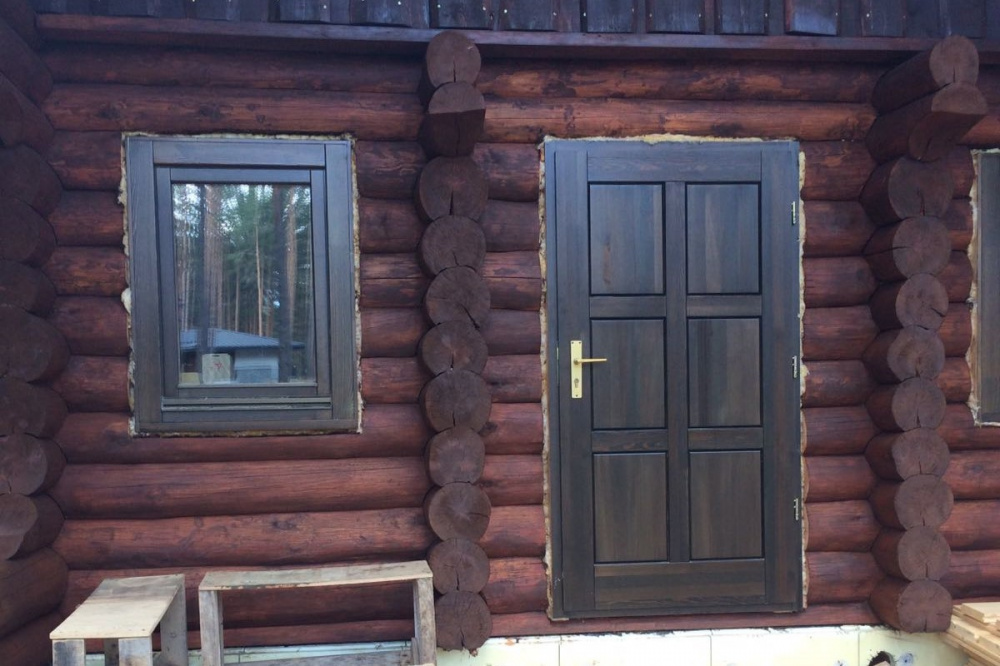
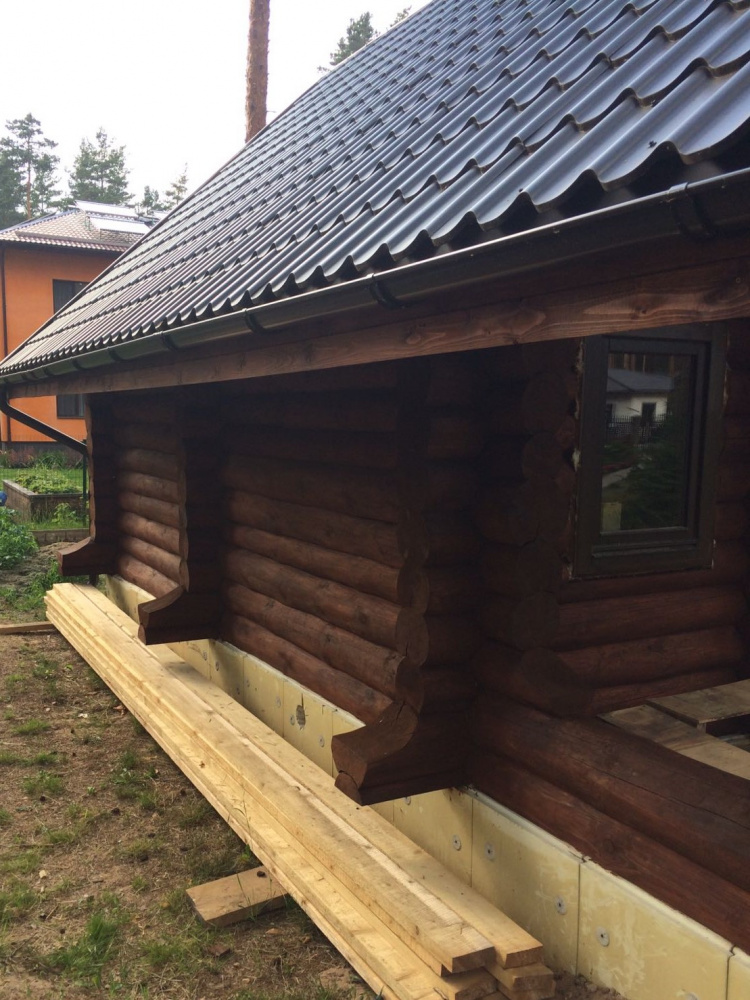
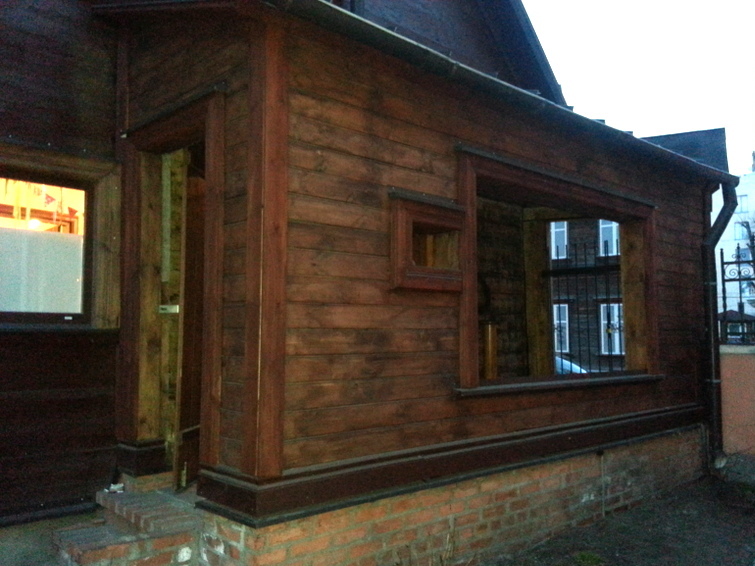
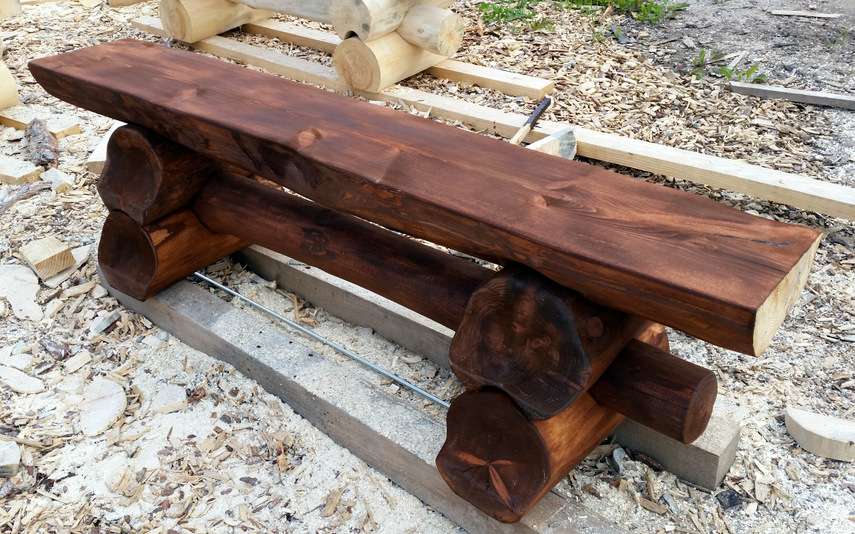
An eco-friendly wood stain based on natural linseed oil, containing mineral pigments. Suitable for staining log houses, the facades of wooden buildings, wooden panelling, floors, furniture and other wooden items. Designed for both interior and exterior use. The paint penetrates deeply into the wood, is wear-resistant and forms a durable finish that is resistant to weathering and UV radiation. Mineral pigments not only colour the wood but also protect it from wear and tear, strengthening the wood’s texture. It protects the wood from moisture and damage, whilst allowing air and water vapour to pass through — the painted wood ‘breathes’.
An eco-friendly, natural oil-based wood stain containing mineral pigments. Suitable for staining log cabins, the facades of wooden buildings, wooden panelling, floors, furniture and other wooden items. Designed for both interior and exterior use. The paint penetrates deeply into the wood, is wear-resistant and forms a durable finish that is resistant to weathering and UV radiation. Mineral pigments not only tint the wood but also protect it from wear and tear, strengthening the wood’s texture. It protects the wood from moisture and damage, whilst allowing air and water vapour to pass through — the painted wood can breathe.
Paint consumption: Paint consumption depends on the type and condition of the wood; on average, 1 litre covers 5–12 m². When painting finely sanded cladding boards, 1 litre covers 10–12 m²; when painting hand-finished logs, 1 litre covers 5–6 m².
Application: Stir the paint thoroughly before and during use. It is recommended to first treat wood that absorbs paint poorly with fine-grained sandpaper. It is recommended to apply the paint with a soft brush, roller or sponge in a thick coat, and after 2–4 hours, remove any excess paint from the surface with a cloth. Drying time may vary depending on the type of wood and the desired shade. It is recommended to apply 2–3 coats, applying each subsequent coat after the previous one has dried. To achieve a full-coverage finish, apply the paint in a thicker coat and wipe off any excess paint from the wood less vigorously.
Drying time: 24–48 hours, depending on the absorbency of the wood and the air temperature; the paint takes approximately 2–3 weeks to cure completely.
Safety: Warning! A piece of cloth soaked in the product may spontaneously combust!
Storage: In the original packaging and in warm storage areas. Protect from freezing!
‘Natūra’ is a natural paint for natural environments. This paint contains no organic solvents or synthetic dyes; ‘Natūra’ consists solely of natural linseed oil and mineral pigments.
Such paints have stood the test of time – linseed oil paints have been in use since the 13th century.
They remain indispensable wherever a natural and healthy environment is valued. ‘Natūra’ is a paint for natural wooden surfaces: wooden building facades, log houses, wooden panelling, furniture and other wooden products. The advantages of linseed oil paint compared to the synthetic paints widely used today:
- a correctly applied layer of linseed oil paint is six times thinner than a layer of alkyd or latex paint, so less linseed oil paint is required;
- a layer of linseed oil paint does not shrink as it dries, as there is no evaporation of solvents; however, during the drying process, the linseed oil undergoes oxidation by atmospheric oxygen; due to the addition of oxygen, it can be said that the dry residue of linseed oil paint exceeds 100%;
- Due to their small size, linseed oil molecules penetrate deeper into the wood surface, up to 2 mm, whilst allowing the wood to breathe freely;
- a high-quality linseed oil coating is durable – lasting from 10 to 15 years, and even longer indoors; linseed oil coatings do not crack or flake, as is the case with synthetic paints;
- the pigments used in linseed paints – iron oxides and zinc white – protect the wood from rot and fungal diseases;
- When working with oil-based paints, workers are not exposed to the harmful effects of solvent vapours.
Linseed oil paint is wear-resistant; compared to other paints, it adheres well to surfaces, thanks to the small size of the linseed oil molecules. Linseed oil paints do not dry quickly, so when working with them, it is essential to read the instructions carefully or consult specialists. ‘Natūra’ is produced as a semi-transparent glazing paint, allowing the user to choose how thick – and therefore how opaque – the paint layer they wish to apply. A characteristic feature of glazing paints is that they highlight the natural texture of the wood.
However, the main advantage of oil-based paints is their eco-friendliness: they are made from natural materials, contain no substances harmful to the environment, and blend perfectly with other natural building materials such as wood, making them indispensable when constructing eco-friendly homes and buildings.
Differences between oil-based and synthetic paints
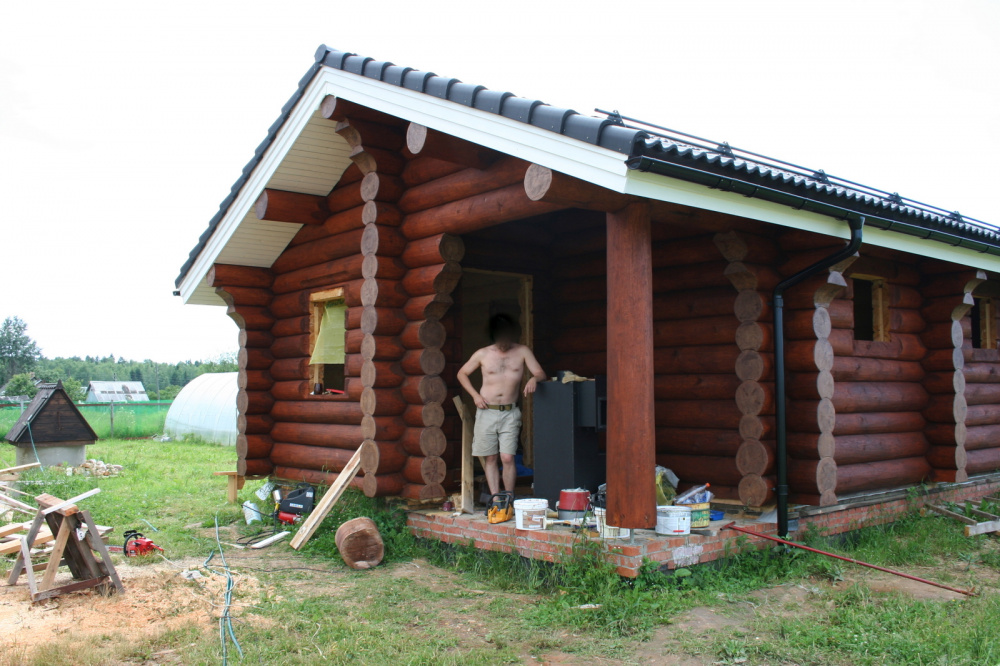
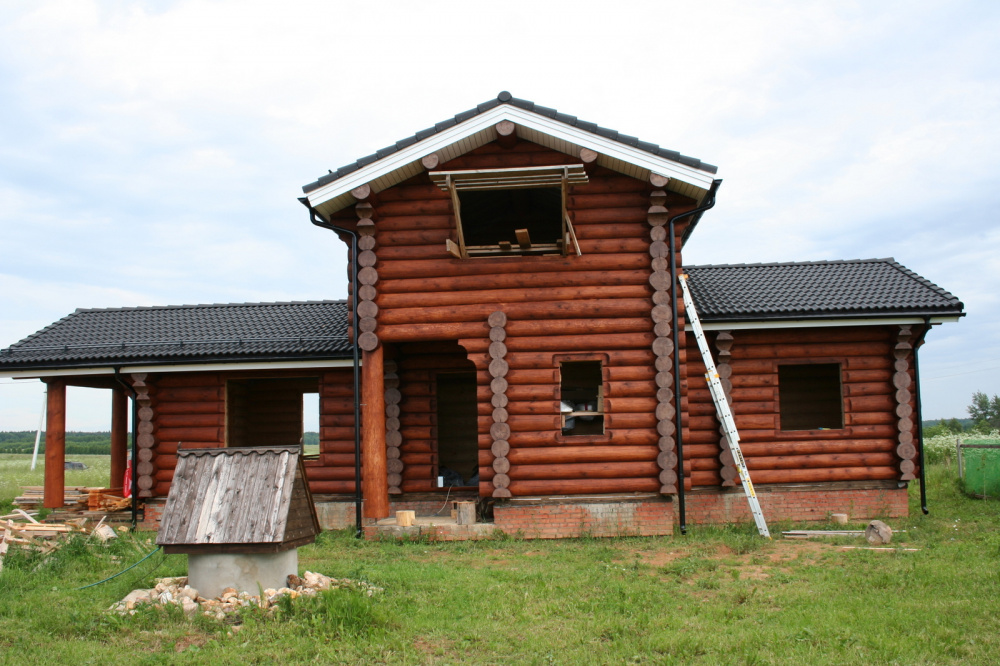
If you own a wooden house or have ever renovated one, you have no doubt encountered the task of painting wood. Polymer paints containing synthetic resins are often used for this purpose. Even if you have chosen a well-advertised, expensive paint, after 2–3 years you may face an unpleasant situation: the paint has cracked and started to peel, leaving the wood unprotected. Problems also frequently arise with the paint colour ‘fading’, and the wood remains grey beneath the transparent coating as a result of exposure to the sun’s ultraviolet rays. All this leads to the need to repaint, which cannot be done properly without removing the old layer. Consequently, this results in significant additional costs and is a labour-intensive process. Paints based on natural oils do not have this drawback. This is precisely the case with NATURA linseed oil-based paint, produced by the Latvian company STAFOR (Kuldīgas iela 53a, Rīga, 67603399, www.stafor.lv). Linseed oil, which forms the basis of the paint, does not form a hard film on the surface of the wood. It is deeply absorbed into the wood, preventing moisture from penetrating it. At the same time, the wood remains vapour-permeable (breathable), avoiding the creation of a damp environment favourable to pests. The mineral pigments in the formulation are more resistant to ‘fading’ than synthetic dyes. A special natural nano-additive provides additional protection against changes in the wood’s colour caused by exposure to UV rays. NATURA paint has now been successfully improved, with wax added to the formula to help protect the wood from moisture. Natural paints are a good alternative to modern synthetic paints, particularly for protecting wood. They last 2–3 times longer, are much more pleasant to work with, and produce no harmful vapours from organic solvents.
Here is what Konrad Fischer (member of the Bavarian Architectural Society, chairman of the German Society for the Preservation of Historical Monuments) writes about natural wood paints:
‘… do not believe empty promises about the reliability of varnishes and paints containing synthetic resins. I have never once seen synthetic paints that have lasted 24 months without damage. I have observed a good service life only with natural paints, including in my own home… The molecules of linseed oil are about 50 times smaller than those of synthetic resins and about 10 times smaller than the tightest pores in wood. This is precisely why paints made from pure linseed oil (free from excess resins, hardeners and other additives) outperform synthetic paints in many respects, both in terms of absorbency and elasticity… If it is necessary to evaluate paints containing artificial hardeners for painting wooden structures, I can state with confidence that, by all quality assessment criteria except drying time, they will be inferior to linseed oil-based paints. Do not give in to the temptation to use quick-drying coatings, otherwise you will have to regularly pay extra for the necessary repair work…’.
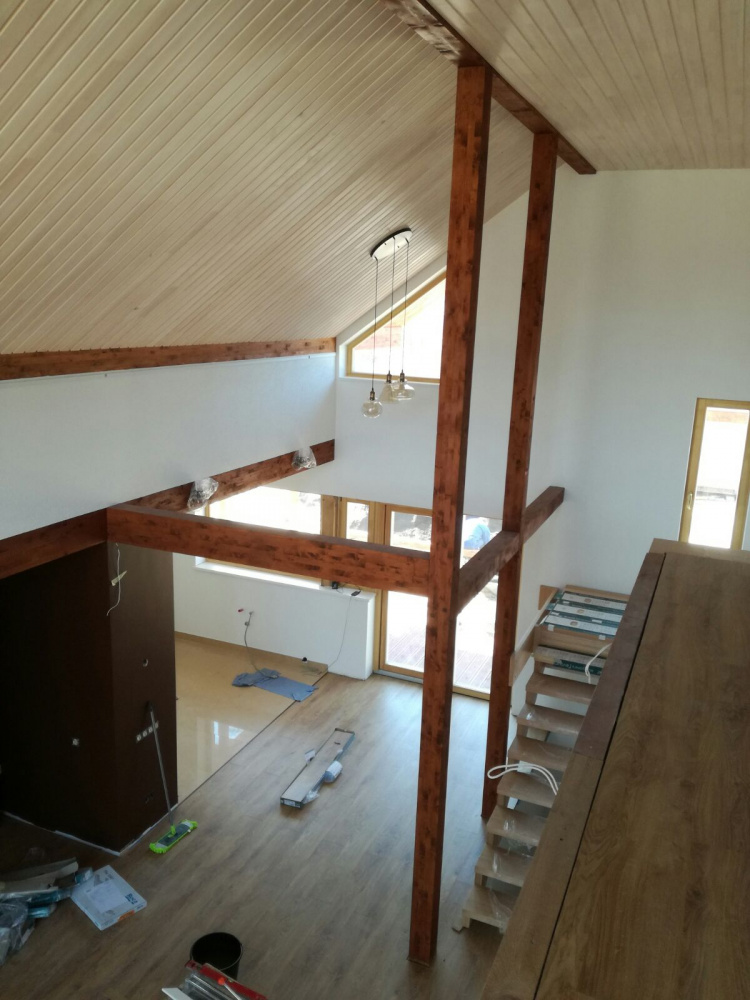
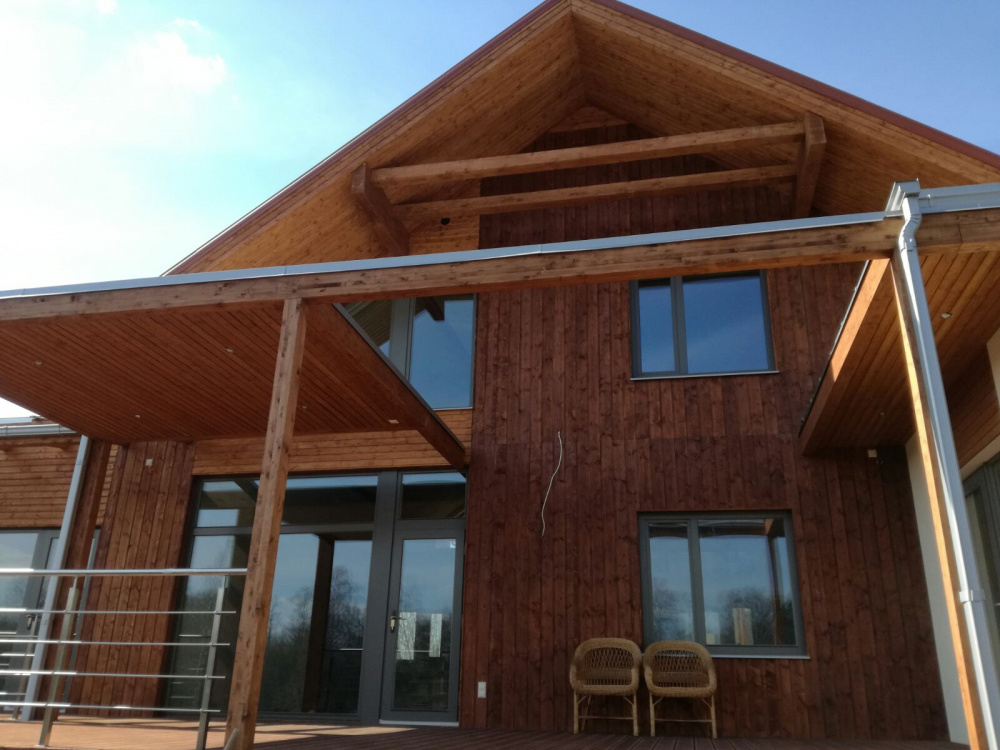
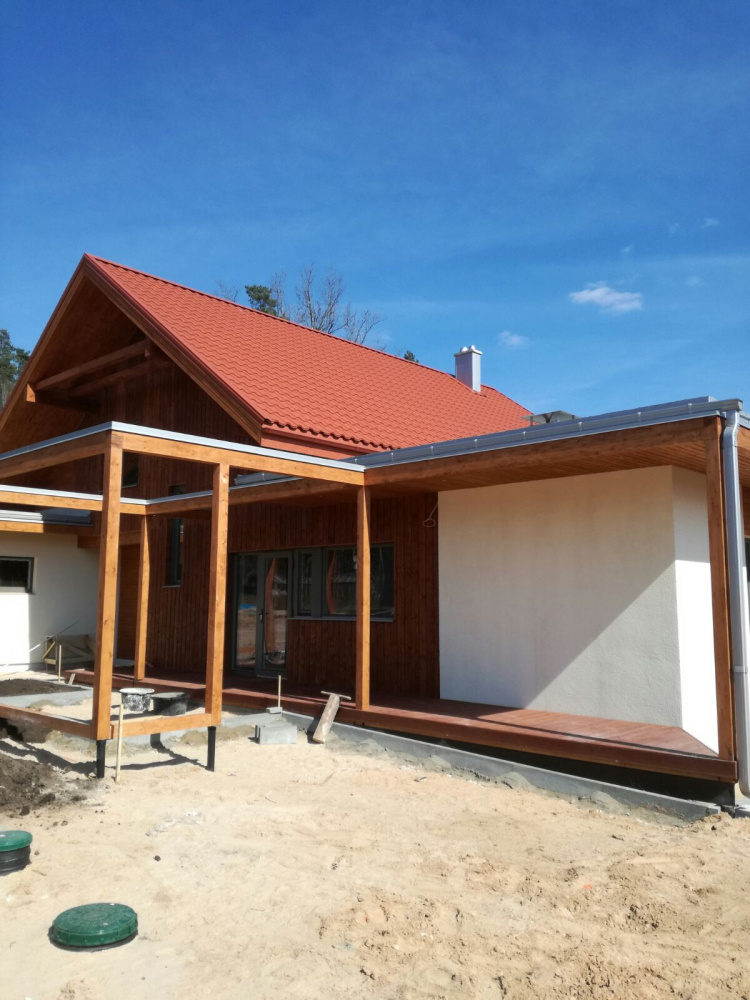
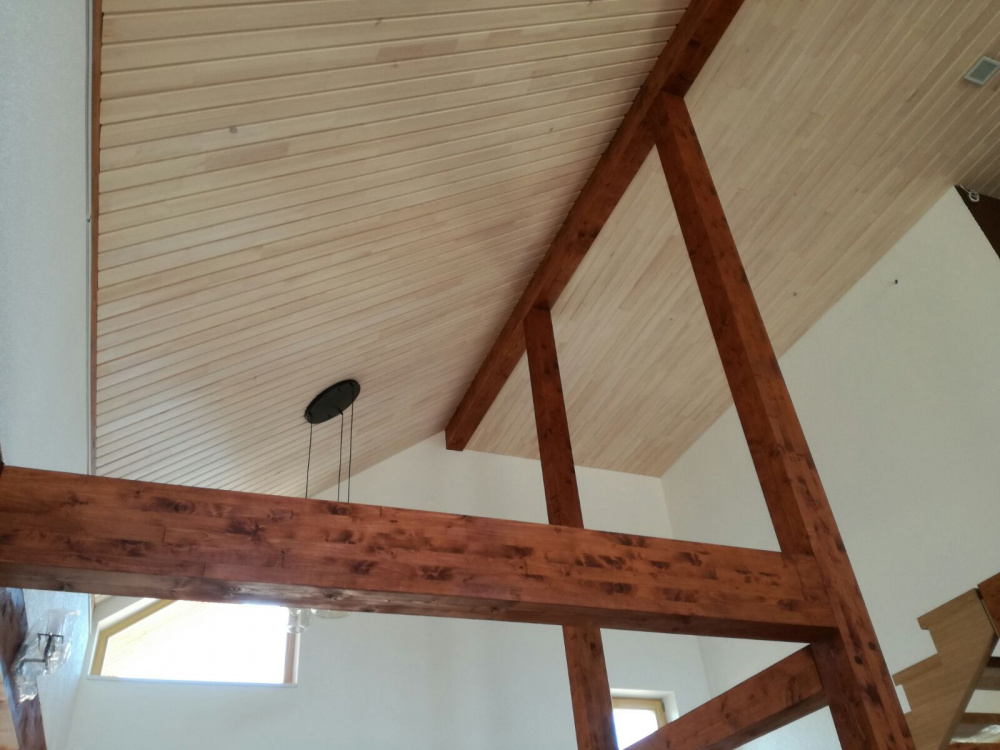
Hazard categories: –
Signal word: –
Contains: –
Product exposure characteristics: –
Safety requirements symbols: –
Additional labelling: P102 — Keep out of reach of children.
Thermowood and its treating
Wood is a typical example of how humans have confidently embarked on experiments to optimise the microstructure of materials. The main manifestation of this can be seen in so-called modified wood, which appeared in the middle of the last century (pressed wood, lignammon, etc.). The new material is several times stronger than ordinary wood and is used in mechanical engineering as a substitute for non-ferrous metals.
Today we will learn about thermowood, which is produced in special vacuum furnaces with specific operating modes. Thermowood not only has enhanced physical and mechanical properties, but is also decorative and durable, resistant to decay and less flammable.
The process of producing thermowood is based on treating wood at a high temperature (170-220 °C) in a steam environment. Heat treatment changes the structure of wood cells, removing moisture, bacteria and acids from it. Thus, “heated” wood is a very poor breeding ground for all types of fungi, mould and rot, making it much more resistant to environmental influences.
Properties of thermally treated wood
- Resistance to decay – thanks to a significant reduction in the content of hemicellulose, which is a breeding ground for decay, the wood becomes more resistant to it, and its estimated service life is five times longer than that of untreated wood.
- Stability – with lower equilibrium moisture content, the radial and tangential expansion of the wood is also reduced, allowing the use of longer and wider materials;
- Colour change – the wood acquires colour throughout its thickness, and the colour change depends on the duration and temperature of the treatment, as well as the type of wood, but the colour can vary from light brown to chestnut brown or even mocha;
- Thermal conductivity – thermowood has approximately 20-25% lower thermal conductivity than untreated wood, making it ideal for baths/saunas and rooms where thermal conductivity must be low, or for buildings where there is a large difference between the internal and external temperatures and humidity levels;
- Resins – these evaporate as a result of heat treatment, making the material safer for users and important for surface treatment.
- Strength – thermally treated birch and pine wood is comparable to oak in terms of strength characteristics.
Thermowood can be used for both interior and exterior work. Thanks to its properties, the material is well suited for terraces, house cladding, siding, and outdoor furniture. It can be used for floors and bathrooms, as well as other rooms with high humidity levels.
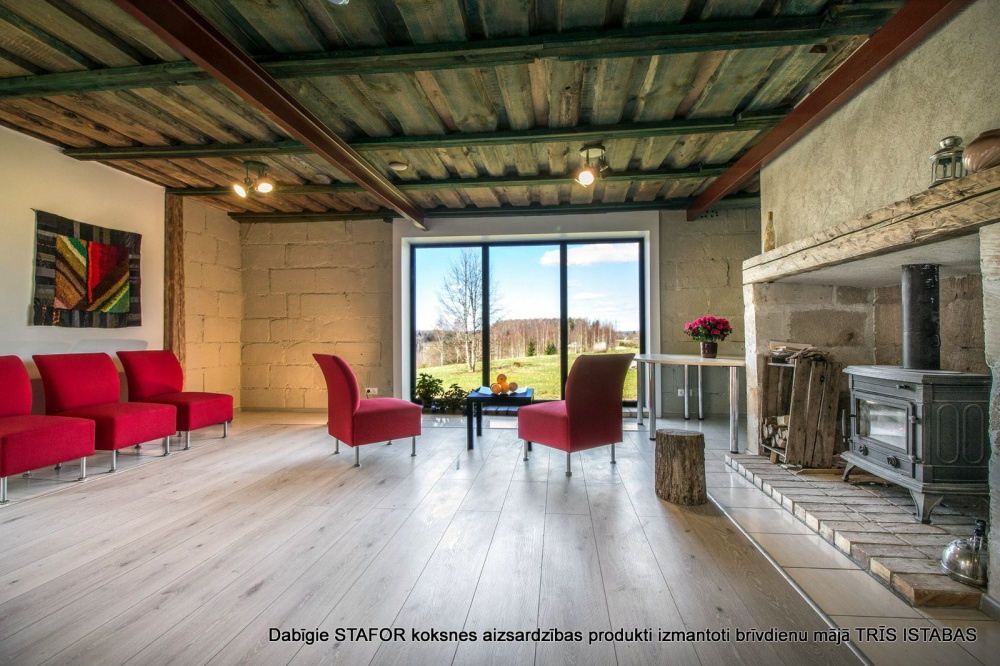
Thermowood does not absorb moisture well, but it is easy to impregnate with environmentally friendly paints and stains based on linseed oil, as linseed oil has smaller molecules. After heat treatment, the wood becomes darker. To visually “revive” it and make it lighter, you can use NATURA linseed oil-based paints with or without pre-bleaching of the thermowood. NATURA paints provide long-lasting and fade-resistant protection for wood.