


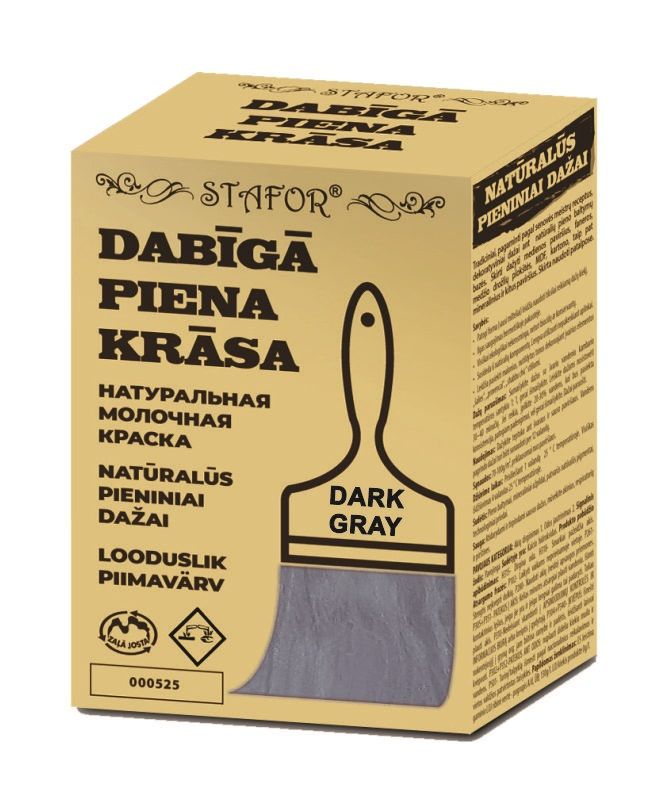
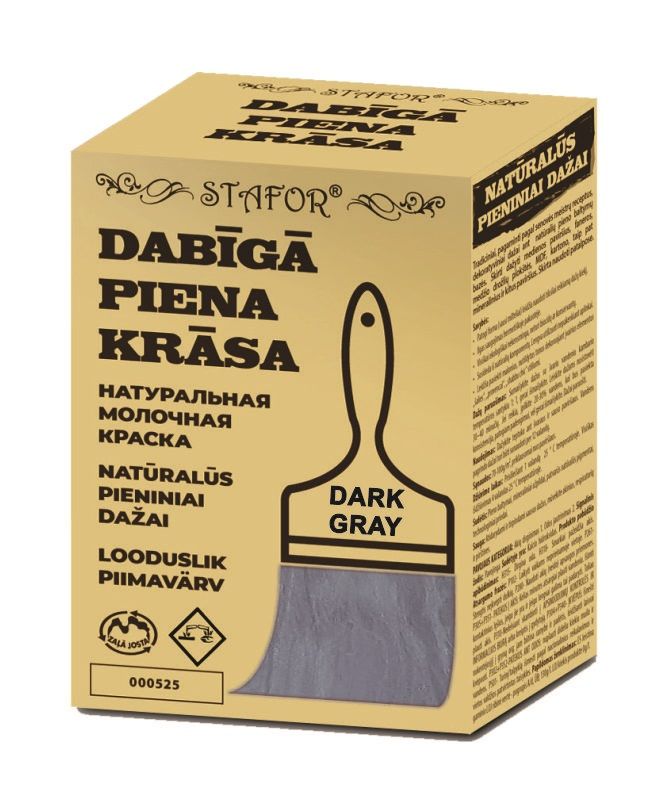
MILK powder paint, dark grey
A traditional decorative paint based on natural milk protein, produced according to recipes from master craftsmen of yesteryear. Suitable for painting surfaces made of wood, veneer, chipboard, MDF, cardboard, as well as mineral and other surfaces. Intended for interior use.
A traditional decorative paint based on natural milk protein, produced according to recipes from master craftsmen of yesteryear. Designed for painting surfaces made of wood, veneer, chipboard, MDF, cardboard, as well as mineral and other surfaces. Intended for interior use.
Properties:
- The convenient form (dry powder) allows you to use exactly the amount of paint required,
- Long shelf life in airtight packaging.
- Made from natural ingredients. Easily disposed of, does not harm the environment.
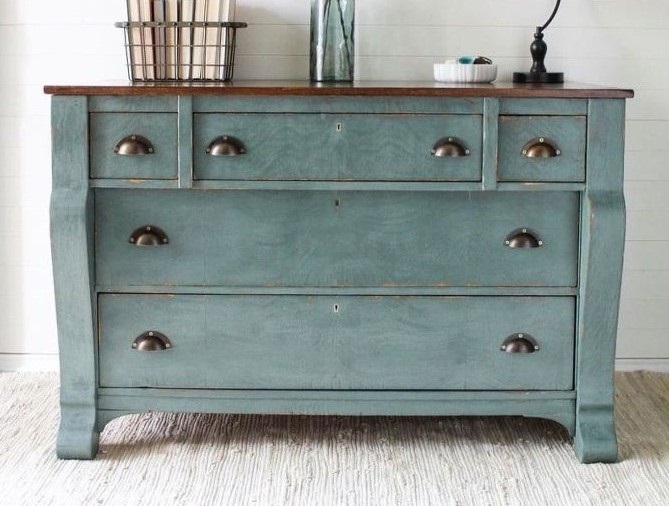
- Creates pleasant, muted shades for decorating various items in ‘country’, ‘Provence’ and ‘shabby chic’ styles.
Preparing the paint: Mix the paint with clean water at room temperature in a 1:1 ratio by weight, and stir thoroughly. Allow the paint to settle for 30–40 minutes. If necessary, add 20–30% water until a consistency suitable for application is achieved, and stir thoroughly once more. The paint is ready.
Application: Apply the paint with a brush to a clean and dry surface. Paint diluted with water must be used within 12 hours.
Coverage: 70–100 g/m², depending on the surface.
Drying time: touch dry — 1 hour at 25 °C. Fully dry — 4 hours at 25 °C.
Composition: Milk proteins, mineral fillers, durable natural pigments, technical additives.
Safety: When opening the packaging containing dry paint and diluting it, wear safety goggles, a respirator and gloves.
Hazard categories: Eye damage 1
Skin irritation 2
Signal word: Danger
Contains: Calcium hydroxide
Product hazard characteristics: H315 — Causes skin irritation;
H318 — Causes serious eye damage;
Precautionary statements: P102 — Keep out of reach of children;
P261 — Avoid breathing dust;
P280 — Wear eye/face protection.
P305+P351 — IF IN EYES: Rinse cautiously with water for several minutes. Remove contact lenses, if present and easy to do. Continue rinsing.
P310 — Immediately call a poison centre or doctor.
P304+P340-IF INHALED: Remove victim to fresh air and keep at rest in a position comfortable for breathing.
P302+P352-IF ON SKIN: Wash with plenty of soap and water.
P501-Dispose of contents/container in accordance with local regulations
Additional labelling: permissible limit for GOS content in the product in the EU — subgroup A/d, ŪB; 130 g/l
GOS content in the product 0 g/l
Once widely known but unjustly forgotten today, milk paints offer an interesting alternative to modern polymer-based paints. The main advantage of milk paints is that they are completely eco-friendly. All the paint’s components are of natural origin; it contains no preservatives, biocides or organic solvents that could have a particularly negative impact on health and the environment. Decorative milk paints are based on natural milk proteins, which, once dry, provide a breathable and durable protective layer on the surface. The paint provides equally good coverage on mineral surfaces (plaster, filler, brick, stone, ceramics, earthenware, etc.), plasterboard, as well as wood, plywood, chipboard, fibreboard, MDF and cardboard. It is particularly suitable for painting wooden items, papier-mâché, furniture, balustrades, cladding, picture frames and decorating other interior items.
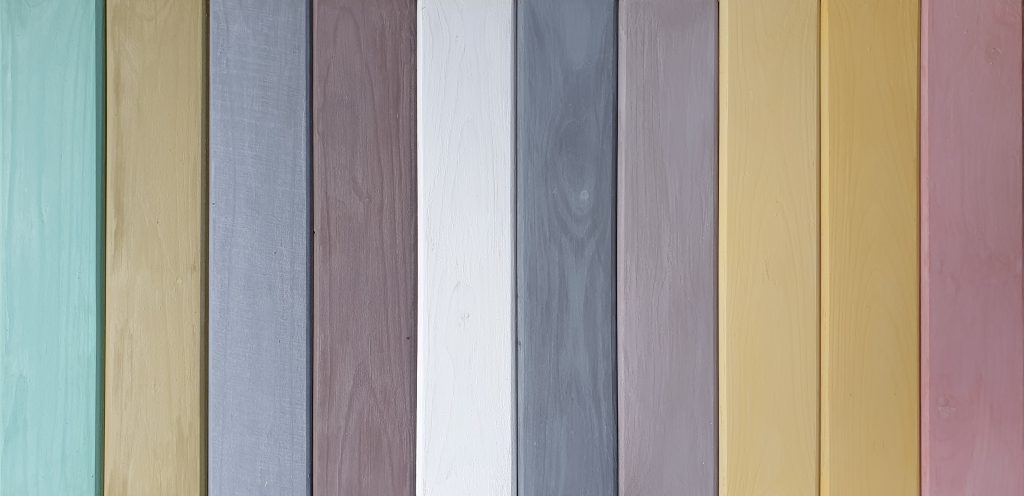
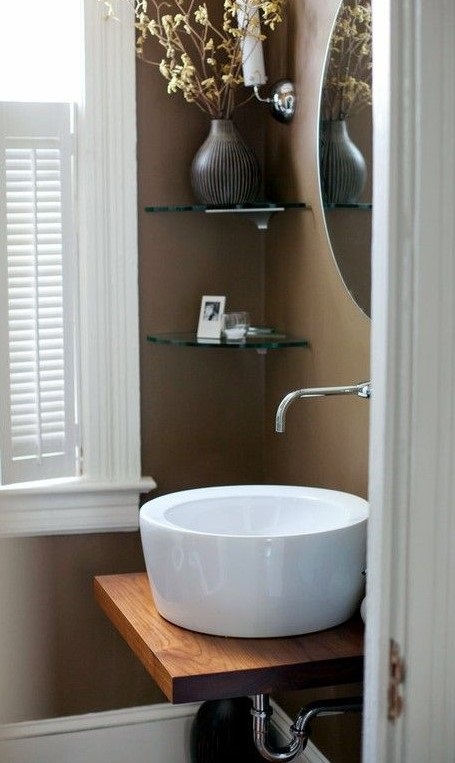
Milk paint has a unique matt finish, resulting in a pleasantly velvety surface. The rich, slightly muted shades of this paint create an atmosphere of peace and harmony. With milk paint, you can recreate the colour palette of the Victorian era, create a colonial-style décor, and ‘age’ interior items and furniture.
The paint is supplied as a dry mix packed in an airtight container. The mix dissolves easily in water. This is very convenient – you can use exactly the amount of paint you need. Any remaining dry paint can be sealed and stored for up to 3 years.
This paint opens up a wide range of creative possibilities: you take part in its preparation yourself, mixing colours to create your own unique shade. This allows you to immerse yourself in the atmosphere of the pre-industrial era, when every craftsman made his own paints, drawing on the secrets and experience of previous generations.